
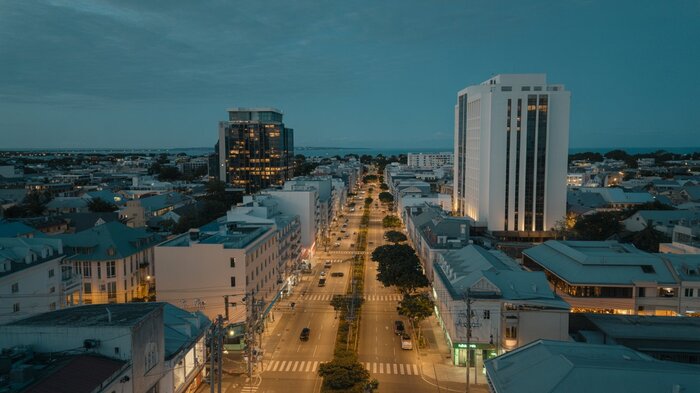
How Mauritius Generates Electricity: Inside a Small Island Power System
Mauritius runs one of the most complex electricity systems in the Indian Ocean, not because it is large, but because it is small.
As an island with no cross-border power connections, every kilowatt used by homes, hotels, hospitals, banks, and data centers must be generated locally, in real time, on a tightly balanced grid.
Unlike continental countries that can import electricity when demand spikes or generation fails, Mauritius stands alone. That reality shapes every decision about fuel, infrastructure, pricing, and long-term energy strategy.
Today, the island relies on a mix of fossil fuels, sugarcane by-products, and rapidly growing renewable energy. The system works, but it is expensive, fuel-dependent, and under pressure from rising demand.
Much of the coal that supports this system is imported, while sugarcane waste known as bagasse provides a seasonal local fuel.

A grid with no backup neighbors
Mauritius has a single, isolated national grid. There are no cables to Madagascar or Africa, no regional energy markets, and no emergency imports. If generation falters, load must be shed locally.
This makes grid stability a national priority. Electricity is not just a convenience. It underpins tourism, offshore finance, medical services, water pumping, telecommunications, and increasingly, digital infrastructure.
The entire system is coordinated by the Central Electricity Board, known as the CEB, which acts as grid operator, distributor, and partial generator. Independent Power Producers supply a large share of electricity under long-term contracts, particularly those tied to the sugar industry.
Who runs the system
The CEB owns and operates the transmission and distribution network across the island. It manages substations, power lines, voltage control, and system stability. It also operates several thermal power plants.
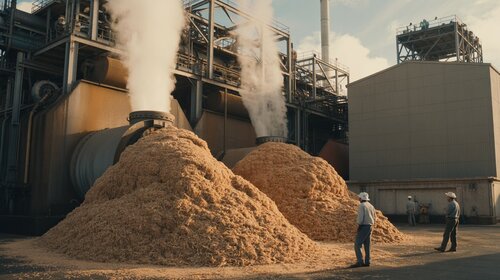
However, more than half of Mauritius' electricity is generated by Independent Power Producers, or IPPs. Most IPPs operate dual-fuel plants that burn coal and bagasse, a fibrous by-product of sugarcane processing. This unusual structure is one of the defining features of the Mauritian power system.
The government regulates tariffs, oversees fuel procurement strategy, and sets renewable energy targets, but day-to-day grid operation remains highly centralized.
How much electricity Mauritius uses
Mauritius consumes roughly 3,000 gigawatt hours of electricity per year. Peak demand typically exceeds 550 megawatts during hot months when air conditioning use rises.
Residential households account for a significant share of consumption, but industrial users, hotels, and commercial buildings play an outsized role in peak demand. Electricity use has steadily increased over the past two decades, driven by population growth, higher living standards, and expansion of the service economy.
Per-capita electricity consumption remains lower than in Europe, but higher than in many African countries. This middle position reflects Mauritius' hybrid status as a developing economy with advanced services.
The energy mix that keeps the lights on
Despite growing renewable ambitions, Mauritius still relies heavily on imported fossil fuels. Heavy fuel oil and diesel power plants supply a substantial portion of baseload electricity. These plants are reliable and flexible, but expensive to run and exposed to global oil price volatility.
Coal plays a major role, particularly in hybrid plants that also burn bagasse. The coal used in Mauritius is entirely imported, since the island has no domestic coal resources.
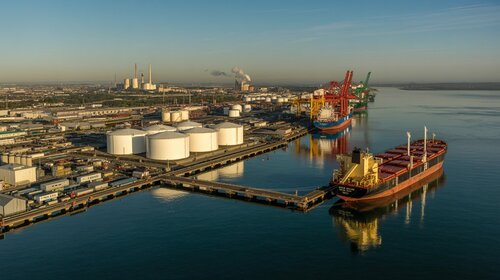
Most supplies arrive by bulk carrier through Port Louis and typically come from South Africa, Indonesia, Australia, or Mozambique depending on global pricing and long-term supply contracts. Utilities and Independent Power Producers usually buy from multiple sources to ensure consistent quality and reduce supply risk.
Bagasse power is a defining feature of Mauritius' energy system. Bagasse is the dry, fibrous material left after sugarcane stalks are crushed to extract juice for sugar production. Instead of being discarded, this plant fiber is burned as a biofuel in specially designed power plants. During the sugar harvest season, usually from July to December, bagasse replaces a portion of imported coal in these plants. This reduces fuel imports, lowers emissions compared with full coal combustion, and turns agricultural waste into a valuable energy resource.
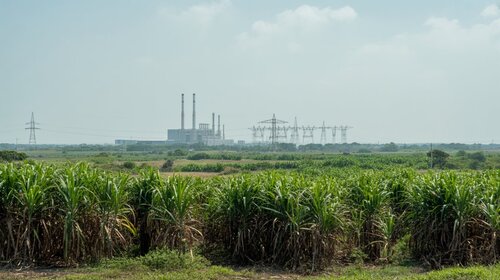
This arrangement links the electricity sector to agriculture in a way rarely seen elsewhere. Sugar mills generate electricity while processing cane and sell surplus power to the national grid under long-term contracts. Outside the harvest season, when bagasse is no longer available in large quantities, coal becomes the primary fuel for these same plants.
Solar energy has expanded rapidly over the past decade. Utility-scale solar farms now contribute a growing share of daytime generation, while rooftop solar adoption has accelerated under net metering schemes. Thousands of households and businesses now produce part of their own electricity.
Wind energy plays a smaller role. Mauritius has several wind farms, but limited land availability and variable wind conditions constrain large-scale expansion.
Hydropower exists but contributes only a small fraction of total electricity. Rainfall variability limits its reliability, particularly during dry seasons.
How electricity flows across the island
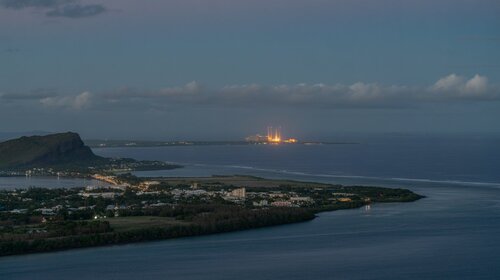
Electricity generation is concentrated at several large power stations, primarily located along the coast. From these plants, high-voltage transmission lines carry power to substations, where voltage is reduced for distribution to towns, villages, and industrial zones.
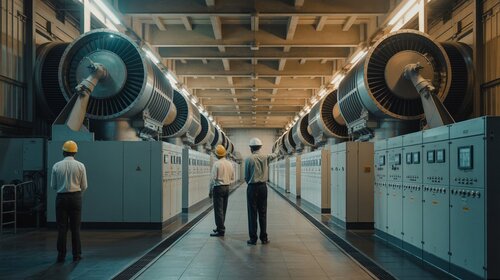
Because the grid is compact, frequency control and load balancing require constant attention. Even small mismatches between supply and demand can destabilize the system. Backup generators and reserve margins are essential.
The island grid lacks the redundancy of continental systems, which makes maintenance planning and fuel logistics critical.
The role of Independent Power Producers
IPPs supply a majority of electricity in Mauritius, particularly during peak demand periods. Their long-term Power Purchase Agreements provide price stability but also lock the country into specific fuel sources for decades.
Supporters argue that IPPs enabled Mauritius to expand capacity quickly without overburdening public finances. Critics point to reduced flexibility and exposure to coal prices.
Both views are partly correct. The system delivered reliability, but at the cost of long-term fuel dependency.
Why electricity costs what it does
Electricity in Mauritius is more expensive than in countries with domestic energy resources. Imported fuel accounts for a large share of generation costs. Small scale also limits economies of scale.
Residential tariffs are partially subsidized, while commercial and industrial users pay higher rates. Average electricity prices typically range between those of Europe and Southern Africa.
Renewable energy helps reduce long-term costs, but upfront investment remains high, particularly for battery storage.
The renewable transition under way
Mauritius has set ambitious renewable energy targets, aiming to significantly increase the share of electricity generated from non-fossil sources by 2030.
Solar expansion remains the centerpiece of this strategy, supported by grid-scale battery projects designed to smooth daytime production and support evening demand.
Electric vehicle adoption, smart meters, and demand-side management are increasingly part of national planning.
Vulnerabilities that remain
Fuel import dependence remains the system's greatest vulnerability. Cyclones pose physical risks to infrastructure. Rising electricity demand threatens to outpace capacity expansion if investment slows.
Climate change increases uncertainty, particularly for hydro and wind resources.
What the future likely holds
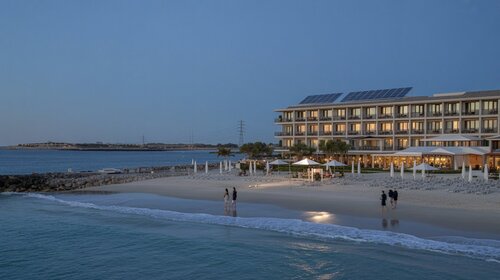
Over the next decade, Mauritius is expected to add more solar capacity, expand battery storage, and gradually reduce its reliance on heavy fuel oil. Coal use is likely to decline, though not disappear immediately.
Energy security will increasingly depend on storage, efficiency, and smart grid management rather than new fossil plants.
What this means for residents and investors
For residents, electricity reliability is strong by regional standards, but costs will remain sensitive to global fuel prices. Rooftop solar offers long-term savings.
For investors, stable electricity supply supports tourism, finance, and digital services, but energy costs must be factored into business planning.
The bottom line
Mauritius generates electricity through a pragmatic blend of fossil fuels, sugarcane by-products, and renewables. The system reflects the realities of island geography rather than ideology. It works, but it is not cheap, and it is not immune to global shocks.
The long-term direction is clear. More solar, more storage, less fuel import exposure. The challenge is managing that transition without sacrificing reliability in a system that has no external safety net.
Scott Oliver is a retired British writer and independent researcher living in Mauritius. A former Royal Marines Commando and former Wall Street investment professional, he has spent more than four decades living and working internationally across 14 countries. During that time, he worked extensively in international wealth management, cross-border asset protection, international business structuring and global residency planning.
Today, Scott's focus is no longer on managing money or providing professional advice. Instead, through MauritiusWealth.mu, he writes independent educational articles designed to help successful African business owners ask better questions, make better decisions and, when appropriate, identify the right expertise to help protect everything they have spent a lifetime building.
His articles are published solely for general educational and informational purposes and should not be regarded as legal, financial, tax, immigration, investment or other professional advice. Every business owner's circumstances are unique, and readers requiring professional assistance should always consult an appropriately qualified and licensed professional.
Trusted Expert Resources
- Central Electricity Board of Mauritius
Official data on electricity generation, grid operations, tariffs, and national energy planning.
Read official energy data - International Renewable Energy Agency
Independent analysis of island energy systems, renewable integration, and storage strategies.
Read the analysis - World Bank Energy Sector Overview for Mauritius
Policy focused assessment of Mauritius' power sector, risks, and investment outlook.
Read the report - International Energy Agency Island Energy Studies
Comparative research on how island nations manage energy security and transitions.
Read the study