
From Sugar Fields to Silicon Dreams: The 50-Year Transformation of Mauritius
Fifty years ago, Mauritius was a small island with one big crop: sugar. Acres of green cane swayed in the ocean breeze, dominating not just the landscape but the economy. At the time, almost half of all Mauritians worked in agriculture, and sugar made up the bulk of the country's income.
Back then, Mauritius was considered a textbook example of economic vulnerability — a poor, mono-crop economy at the mercy of world sugar prices, cyclones, and colonial hangovers. Many experts doubted whether this island could ever break free from poverty.
But Mauritius had other ideas.
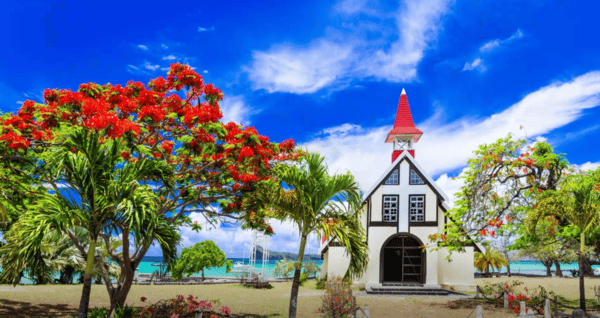
Planting the Seeds of Change
In the late 1970s and early 1980s, the government began to plant the seeds of transformation. It created Export Processing Zones (EPZs) to attract foreign investment and launched a national push to develop new industries. Factories sprang up, particularly in textiles and apparel, offering jobs to thousands of Mauritians—especially women who had never before worked in formal employment.
Within a decade, manufacturing overtook sugar as the country's largest employer. Exported garments from Mauritius started landing on shelves in Paris, London, and New York. The world began to take notice of the little island that could.
Riding the Tourism Wave
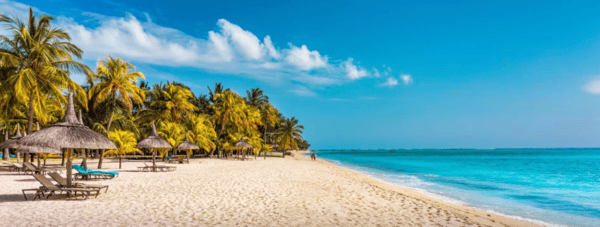
As jobs in factories increased, so did the country's confidence. By the 1990s, Mauritius had begun to invest heavily in tourism. It promoted its warm climate, pristine beaches, and welcoming people. New resorts opened. Tourists arrived by the plane-load. And with them came thousands of new jobs in hotels, restaurants, and transportation.
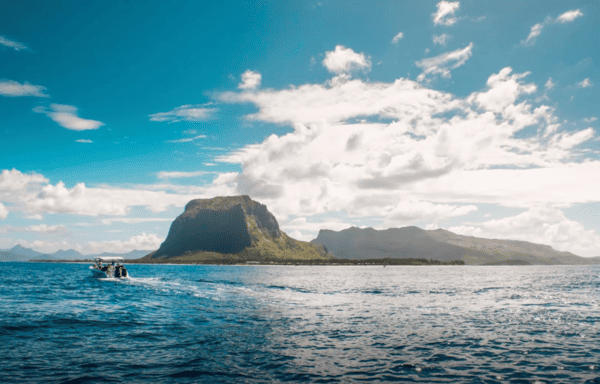
A Smart Bet on Services
While other African nations doubled down on commodities, Mauritius made a bold bet: services.
By the early 2000s, it had established itself as a hub for financial services. Banks and insurance companies set up operations. Offshore investment firms began using Mauritius as a gateway to Africa and Asia. Then came ICT — information and communications technology. Call centers and tech parks emerged. Young, bilingual Mauritians started doing customer support and software services for firms halfway across the globe.
The economy was no longer powered by sugar — it was powered by skills.
Education, Stability, and Strategy
What made all this possible? Mauritius invested in free education and built a stable democracy. It created business-friendly laws, formed international partnerships, and—perhaps most importantly—planned decades ahead.
While many countries drifted, Mauritius charted its own course.

Mauritius Today: A Blueprint for Resilience
Today, Mauritius is an upper-middle-income country, a title earned through strategy, not chance. It boasts one of the highest literacy rates in Africa, modern infrastructure, and a high Human Development Index.
The economy is now deeply diversified:
- Wholesale and retail trade is the largest employer.
- Tourism remains strong and vibrant.
- Financial services contribute over 13% of GDP.
- ICT and tech services continue to grow.
- Manufacturing (especially textiles) still provides a foundation.
- And the country is just beginning to tap into the blue economy — using its vast ocean territory for new jobs and innovation.
Even agriculture, though now less than 6% of employment, is being reimagined with smart farming and sustainability in mind.
A Model for the Continent
Mauritius's journey isn't just a national success story — it's a global case study in what's possible. It's proof that good governance, long-term thinking, and investing in people can transform a country.
Where once sugar cane ruled the economy, now skilled workers in finance, tourism, and tech are building a future powered by knowledge and creativity.
And while challenges remain — from climate change to global economic shifts — Mauritius stands as a model of resilience, reinvention, and relentless ambition.
Final Thoughts?
Mauritius didn't just grow sugar. It grew hope. It grew opportunity. And over fifty years, it cultivated a future that few could have imagined — a thriving island nation that rose from the cane fields to become one of Africa's brightest success stories.
Scott Oliver is a retired British writer and independent researcher living in Mauritius. A former Royal Marines Commando and former Wall Street investment professional, he has spent more than four decades living and working internationally across 14 countries. During that time, he worked extensively in international wealth management, cross-border asset protection, international business structuring and global residency planning.
Today, Scott's focus is no longer on managing money or providing professional advice. Instead, through MauritiusWealth.mu, he writes independent educational articles designed to help successful African business owners ask better questions, make better decisions and, when appropriate, identify the right expertise to help protect everything they have spent a lifetime building.
His articles are published solely for general educational and informational purposes and should not be regarded as legal, financial, tax, immigration, investment or other professional advice. Every business owner's circumstances are unique, and readers requiring professional assistance should always consult an appropriately qualified and licensed professional.
Expert Resources Used To Research and Write This Article:
- Mauritius Country Profile. https://www.worldbank.org/en/country/mauritius/overview
- Mauritius Economic Transformation. https://www.afdb.org/en/news-and-events/mauritius-a-model-of-successful-economic-transformation-18858
- Evolution of Economic Sectors in Mauritius. https://www.mauritiustrade.mu/en/trading-with-mauritius/mauritius-economics-outline
- Textile and EPZ Sector Development. https://thecommonwealth.org/our-member-countries/mauritius
- Financial Services Sector in Mauritius. https://www.edbmauritius.org/industries/financial-services/
- Growth of the ICT Sector. https://govmu.org/EN/government/ministries/technology-communication-and-innovation/
- Tourism as an Economic Pillar. https://statsmauritius.govmu.org/
- The Blue Economy Vision. https://blueeconomy.govmu.org/
- Mauritius Human Development Index (HDI). https://hdr.undp.org/data-center/specific-country-data#/countries/MUS
- Mauritius: African Success Story. https://www.hks.harvard.edu/centers/cid/programs/building-state-capacity/research/publications/case-studies/mauritius