
Peace, Not Pistols: How Mauritius Keeps Firearms Under Control
When most people think of Mauritius, they picture white-sand beaches, turquoise lagoons, and a peaceful way of life. What they don't usually imagine is anyone walking around with a gun. And for the most part, that image is accurate.
Mauritius has some of the strictest gun laws in the world, and very few people are legally allowed to own firearms. But that doesn't mean there are no guns at all.
Let's take a closer look at how gun ownership works in Mauritius, who is allowed to own one, and what types of firearms are permitted.
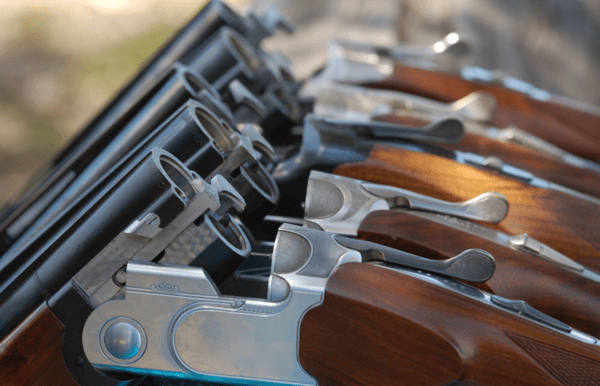
Who Can Owns Guns in Mauritius?
It starts with the law. In Mauritius, it is illegal for any civilian to own a gun or even a single bullet without a licence issued by the Commissioner of Police. And those licences aren't given out easily.
If you want to own a gun in Mauritius, you must be a Mauritian citizen, at least 18 years old, mentally and physically healthy, and have no history of violence or drug-related offenses.
If you meet those conditions, you can apply for a special Competency Certificate that proves you're trained and responsible enough to own a firearm.
This certificate is just the first step. After that, the actual application for a firearm licence requires even more paperwork. You'll need to submit medical certificates, a clean police record, proof of identity, passport photos, and evidence that you own or have reserved a secure location for the gun, especially if it's a hunting weapon.
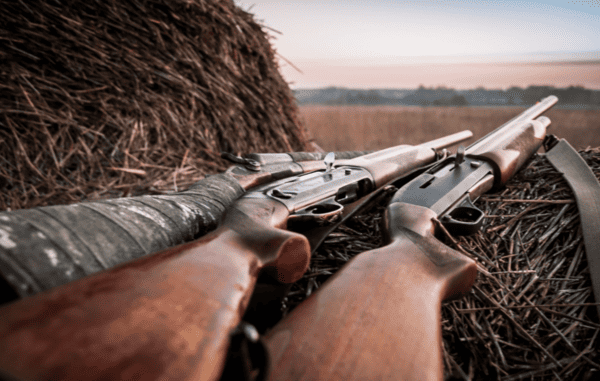
You also have to prove that you have proper storage for the gun and the ammunition. That means two separate locked safes. The police may inspect them.
And here's a very important detail. Even if you manage to get approved, you can only own up to two firearms at a time. If you want to own a handgun and carry it concealed, that requires an additional endorsement on your licence, and the conditions are even stricter.
Not only must you pass all the checks, but concealed carry is only allowed for citizens. Permanent residents of Mauritius, even those who have lived there for decades, are not eligible for any kind of firearm licence, including for hunting or sports use.
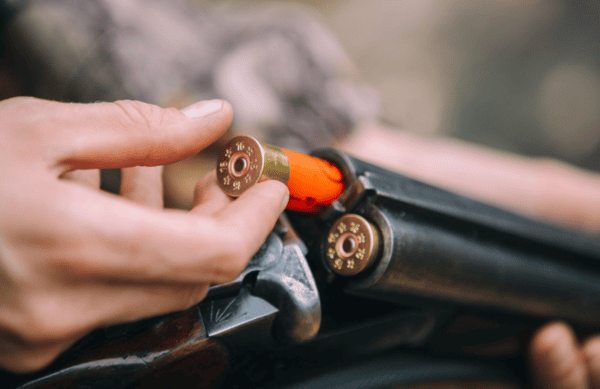
What Kinds of Guns are Allowed?
Most civilian gun owners in Mauritius have shotguns, used mainly for hunting.
Some also own handguns, but again, that requires a special endorsement. Sporting rifles may also be permitted, but fully automatic weapons and military-style guns are off limits to civilians.
The police, on the other hand, do have access to military-grade firearms like Glocks, MP5s, and M16s, but those are restricted to law enforcement and special units.
How Many Guns are There in Mauritius?
According to the Small Arms Survey, there are roughly 106,000 civilian-held firearms in the country, both registered and unregistered. That might sound like a lot, but it works out to only about 8.3 guns per 100 people, which is low by global standards.
For comparison, the United States has over 120 guns per 100 people. In Mauritius, gun crime is rare and the presence of illicit firearms is minimal, mostly confined to underworld circles.
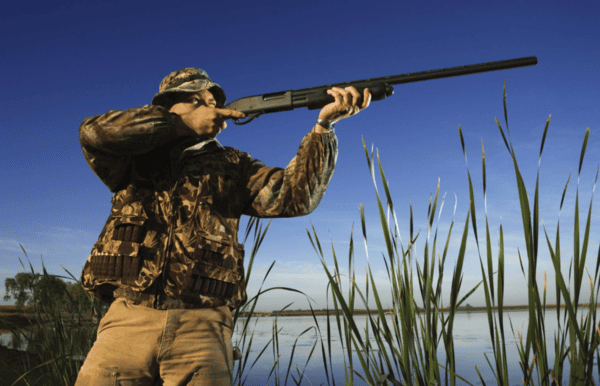
In short, Mauritius has created a very controlled environment when it comes to guns. The laws are tight. The licensing process is thorough. And the number of firearms in circulation is low.
Most people in Mauritius live their daily lives without ever seeing a gun or hearing a shot fired. And for those who are used to the more permissive gun cultures of other countries, that level of control can feel refreshing.
If you're thinking about moving to Mauritius or are simply curious about how public safety is maintained on this peaceful island, it helps to know just how seriously the authorities take firearm control.
Guns aren't a part of everyday life here. And that's just the way most Mauritians like it.
Scott Oliver is a retired British writer and independent researcher living in Mauritius. A former Royal Marines Commando and former Wall Street investment professional, he has spent more than four decades living and working internationally across 14 countries. During that time, he worked extensively in international wealth management, cross-border asset protection, international business structuring and global residency planning.
Today, Scott's focus is no longer on managing money or providing professional advice. Instead, through MauritiusWealth.mu, he writes independent educational articles designed to help successful African business owners ask better questions, make better decisions and, when appropriate, identify the right expertise to help protect everything they have spent a lifetime building.
His articles are published solely for general educational and informational purposes and should not be regarded as legal, financial, tax, immigration, investment or other professional advice. Every business owner's circumstances are unique, and readers requiring professional assistance should always consult an appropriately qualified and licensed professional.