
The Mauritius Retirement Blueprint: How Successful South Africans Over 50 Secure a 10-Year Residency (Without Severing Ties at Home)
Introduction: Taking Responsibility for the Next 20 Years
If you are a successful South African over 50, you have probably spent much of your adult life taking responsibility.
You worked. You built a career or a business. You raised a family. You saved, invested and made difficult decisions. You lived through recessions, political change, currency fluctuations and periods of considerable uncertainty.
Now you may be approaching one of the most important decisions of your life: where, and how do you want to spend the next 20 or 30 years?
A holiday destination needs to make you happy for two weeks. A retirement destination needs to work on an ordinary Tuesday morning.
It needs to be somewhere you feel safe. Somewhere you can obtain good healthcare. Somewhere your wealth can be managed sensibly. Somewhere your children and grandchildren can visit. Somewhere you can remain active, independent and optimistic about the years ahead.
And increasingly, successful South Africans are asking whether the country in which they built their lives must necessarily be the country in which they spend the rest of them.
That can be an uncomfortable question. South Africa is home. It is family, friendships, memories, businesses, communities, braais, rugby, cricket, mountains, bush and some of the most beautiful landscapes on earth.
Considering another country does not require rejecting any of that. Nor does it require believing South Africa is doomed. It simply requires acknowledging something none of us can avoid: nobody knows what happens next.
Nobody knows what South Africa will look like in 10 or 20 years. Nobody knows what the Rand will be worth, what future governments will do, how infrastructure will develop, what healthcare will cost or where children and grandchildren will eventually choose to live.
The same is true of Mauritius. There are no perfect countries and no risk-free retirement destinations. But there is an enormous difference between trying to predict the future and preparing for several possible futures.
Successful investors understand this instinctively. They diversify rather than depending upon one company, one investment or one asset class. It is reasonable to apply the same thinking to your life.
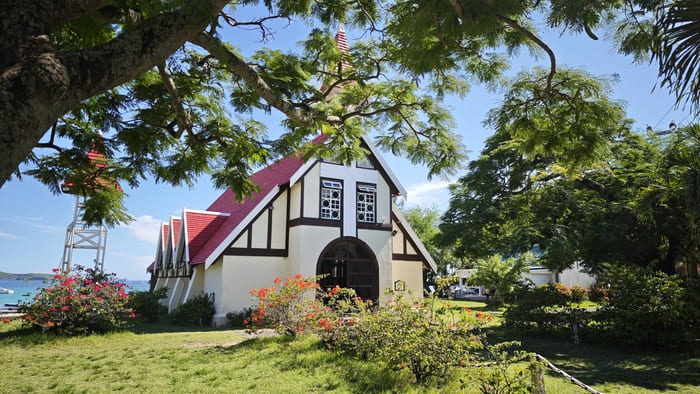 The church at Cap Malheureux
This Is Not About Running Away
There is an important distinction between escaping from something and creating options for yourself. This report is firmly about the latter.
A Plan B does not mean Plan A has failed. International diversification does not mean abandoning South Africa. Obtaining another residence does not necessarily mean emigrating permanently. And investigating Mauritius certainly does not mean deciding to live there forever.
It simply gives you another option. Perhaps you remain in South Africa. Perhaps you divide your time between South Africa and Mauritius. Perhaps Mauritius eventually becomes home. Perhaps you spend six months there and decide it isn't for you.
The objective is not to arrive at a predetermined answer. The objective is to put yourself in a position where you genuinely have a choice.
Why Mauritius?
For South Africans, Mauritius occupies an unusual position. It is unquestionably another country, yet it isn't on the other side of the world.
It offers a tropical Indian Ocean lifestyle while remaining closely connected to Africa. English is widely used in government, business and professional life. Driving is on the left. Rugby and cricket are familiar. And an established South African community already calls the island home.
Mauritius also offers residence options for qualifying retirees and property owners, private healthcare, international banking, professional services and an established international financial sector.
Then there is the lifestyle: warm weather, beaches, swimming, golf, outdoor living, restaurants, travel and a slower rhythm.
But Mauritius is not paradise. Traffic can frustrate. Summers can be hot and humid. Cyclones occur. Imported goods can be expensive. Bureaucracy can test your patience. Island life will not suit everybody.
And that's precisely why a decision this important should never be based on photographs of turquoise lagoons and palm trees. It should be based upon research, experience and careful planning.
You Still Get to Choose
You cannot control elections, currencies, crime rates, government policy or global markets. But you can investigate, diversify, prepare, create alternatives and decide what kind of life you actually want for yourself and your family.
The following are not 100 reasons why every South African should leave South Africa. They are 100 reasons why successful South Africans over 50 may want to put Mauritius on their retirement shortlist.
Because after a lifetime spent building what you have today, perhaps the next chapter should be guided by six things: Family. Freedom. Responsibility. Planning. Opportunity. Dignity.
And ultimately, the decision about what happens next is still yours.
SECTION ONE
Taking Responsibility for Your Next 20 Years
1. Nobody Is Coming to Rescue Your Retirement
For most of your working life, you probably understood that responsibility ultimately rested with you. Retirement is no different. Governments can make promises, markets can perform well and circumstances can improve, but none of them can guarantee the quality of your next 20 or 30 years.
Successful retirement planning therefore begins by accepting that your future is primarily your responsibility. Investigating Mauritius isn't about predicting disaster in South Africa. It is about asking what additional choices you can create while you have the health, resources and freedom to create them.
2. Hope Is Not a Retirement Strategy
There is nothing wrong with hoping that South Africa prospers, crime falls, infrastructure improves and the Rand strengthens. Millions of South Africans would welcome exactly that outcome. But hope and planning perform different functions. You can remain optimistic while simultaneously preparing for circumstances that may develop differently.
Mauritius can form part of that preparation by providing another possible residence, lifestyle and financial jurisdiction relatively close to home. You don't need to believe the worst will happen before recognising the value of being prepared if it does.
3. Your Next 20 Years Deserve a Plan
Successful people often spend decades planning businesses, careers, investments and children's education, yet retirement can receive surprisingly little strategic attention beyond accumulating enough money. But retirement planning is also about geography, healthcare, security, family, taxation, lifestyle, purpose and independence.
Where will you live? What will an ordinary day look like? Who will be nearby? Mauritius deserves consideration because it allows South Africans to ask those questions from a fresh perspective: not simply, “Can I afford to retire?” but “What kind of retirement am I actually trying to create?”
4. Planning for Problems Doesn't Mean Expecting Them
You insure your house without expecting it to burn down. You diversify investments without assuming one of them will collapse. You prepare a will without expecting to die tomorrow. Contingency planning is not pessimism; it is prudent risk management. The same principle can apply geographically.
Establishing another residence option or simply understanding how Mauritius could fit into your future does not mean you expect South Africa to fail. It means you recognise that circumstances change and that having alternatives before you need them is usually preferable to searching for alternatives after circumstances force your hand.
5. Freedom Begins With Having Choices
Freedom is not necessarily the ability to leave somewhere. It is the ability to choose whether to stay. There is a profound psychological difference between living somewhere because you genuinely want to and living there because changing course has become too complicated.
Exploring Mauritius can create another legitimate option without requiring you to exercise it. Once you know where you could live, what it might cost, how residence works and whether the lifestyle suits you, remaining in South Africa becomes more clearly a choice rather than simply the continuation of what you have always done.
6. Build Your Plan B Before You Need It
The worst time to investigate alternatives is usually when you urgently require one. Decisions made under pressure tend to involve fewer choices, less preparation and greater potential for expensive mistakes. Your 50s and 60s can therefore be an ideal period to investigate Mauritius while there is no emergency at all. Visit. Rent. Explore different parts of the island. Investigate healthcare, banking, residence and property. Talk to people who already live there.
A good Plan B is not something you create because tomorrow looks frightening. It is something you establish while today still gives you the luxury of time.
7. Retirement Is Too Important to Leave to Chance
Where you spend retirement affects far more than the view from your bedroom. It influences your physical safety, social life, healthcare, finances, proximity to family, daily routine, opportunities to travel and even how active you remain. Yet many people effectively allow inertia to make the decision for them: they retire where they happen to be living because that requires the least immediate effort.
Mauritius provides an opportunity to reverse the question. Instead of asking, “Why should I leave?”, ask, “If I were choosing my retirement location from scratch today, where would I choose?”
8. You Cannot Control a Country. You Can Control Your Response.
One of the frustrations of following South African politics, economics, crime or infrastructure is recognising how little influence any individual ultimately has over national outcomes. You can vote, contribute, employ people, pay taxes and participate in your community, but you cannot personally determine what happens to the Rand, Eskom, municipalities or national policy.
What you can control is your family's exposure to those outcomes. Considering Mauritius is therefore less about forecasting what South Africa will do next and more about deciding how much of your future you want dependent upon things over which you have very little control.
9. Ask Yourself Where You Would Choose to Live Today
Imagine for a moment that you did not already live in South Africa or Mauritius. You were simply presented with several countries and asked to choose where you wanted to spend the next 20 years. What would matter most? Safety? Climate? Healthcare? Taxation? Family access? Beaches? Political stability? Cost of living? Banking? Language? Community? International connectivity?
That thought experiment can be surprisingly revealing because it removes habit from the decision. Mauritius may or may not win your personal comparison, but retirement is important enough that the comparison deserves to be made.
10. Taking Responsibility Isn't Running Away
Perhaps the greatest emotional obstacle for some South Africans considering life elsewhere is the feeling that leaving means abandoning their country. It doesn't have to mean anything of the sort. You can love South Africa while recognising its problems. You can remain connected to family, friends, businesses and causes there while living somewhere else.
You can even divide your time between countries. Choosing Mauritius can simply represent a decision that, after decades of fulfilling responsibilities to employers, employees, communities and family, you are now prepared to take greater responsibility for your own security, freedom, health and quality of life.
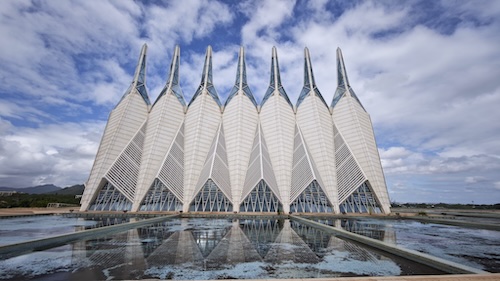 The Eden Centre Near Port Louis
SECTION TWO
Safety, Security & Peace of Mind
11. Retirement Shouldn't Mean Living Behind Electric Fences
For many successful South Africans, electric fencing, security gates, alarms, cameras and armed response have become ordinary parts of home ownership. They work, and sensible security precautions will always matter wherever you live. But retirement offers a chance to ask whether you want the same level of defensive infrastructure surrounding your home for the next 20 years.
Mauritius is not crime-free, but with only 2 homicides per 100,000 people compared to around 44 murders in South Africa, Mauritius has the lowest homicide level in Africa. The attraction is not carelessness; it is the possibility that personal security can occupy less space in your home, your budget and your thinking.
12. When Constant Vigilance Becomes Normal
South Africans are exceptionally good at situational awareness because many have practised it for decades: check the gate, watch the traffic light, scan the parking area, avoid certain roads after dark. Those habits can become so normal that we stop noticing how much mental energy they consume.
Moving to a more peaceful environment does not mean abandoning common sense, but it can reduce the background vigilance that follows you through everyday life. For retirement, that difference can be surprisingly important because peace of mind is not simply the absence of an incident; it is the absence of constantly preparing for one.
13. The Hidden Cost of Always Being on Alert
Security has an obvious financial cost, but the less visible cost is how it influences behaviour. You may avoid walking somewhere, decline an evening outing, choose a house for defensibility rather than enjoyment or accept long commutes because the safer neighbourhood is farther away.
Over time, security concerns can quietly shape the life you live. Mauritius will still require normal awareness, but many retirees find the broader environment allows a more relaxed relationship with everyday movement. That can return something valuable: not just money previously spent on protection, but small freedoms that may have been gradually surrendered without being noticed.
14. Mauritius Is One of Africa's Most Peaceful Countries
Peace and security are not abstract statistics when you are deciding where to spend retirement. They affect whether you feel comfortable walking outside, how you protect your home and how much background anxiety becomes part of everyday life. Mauritius is consistently ranked as the most peaceful country in Africa and tpically ranks in the top 20 to 25 globally.
That does not mean crime doesn't exist or that normal precautions are unnecessary. It means South Africans considering retirement can compare security environments objectively rather than relying entirely upon impressions. After decades of thinking seriously about personal security, the possibility of living somewhere substantially more peaceful deserves a place near the top of the retirement checklist.
15. Peace of Mind May Be Your Most Valuable Retirement Asset
Most retirement calculations focus on assets that can be counted: investments, pensions, property and income. Yet one of the most valuable things you can possess after 50 may be difficult to place on a balance sheet: peace of mind.
Feeling comfortable at home, being less preoccupied with personal security and knowing that your daily environment is comparatively stable can materially affect quality of life. Mauritius's strong international peacefulness profile does not guarantee an incident-free life, but it does offer a different baseline from which to plan retirement.
16. Your Home Should Feel Like a Home, Not a Fortress
Architecture affects psychology. High walls, security gates, burglar bars and layers of controlled access can provide protection, but they also constantly remind you why they are there. Many South Africans accept that trade-off as normal. Retirement offers the opportunity to reconsider it.
In Mauritius, gated communities and alarms certainly exist, and some people prefer them, but the physical environment can often be designed more around comfort, views, ventilation and outdoor living than defence. A retirement home should ideally be a place that invites you to enjoy life rather than one that constantly communicates the need to protect yourself from it.
17. Rediscover the Simple Pleasure of an Evening Walk
Walking after dinner should be one of life's most ordinary pleasures. Yet in some environments it becomes a calculation involving location, time, lighting and security. Many Mauritian coastal communities allow retirees to incorporate walking into everyday life in a way that feels refreshingly normal.
Not every road has a pavement, traffic can be irritating and no neighbourhood should be assumed perfectly safe, so location matters. But the broader possibility is worth considering: retirement can return simple activities that do not require planning, permission or a security strategy.
18. Violent Crime Doesn't Have to Define Your Retirement Decisions
One of the most significant differences between security environments is not whether crime exists—it exists everywhere—but the nature and severity of the risks people routinely consider. South Africans can become accustomed to making decisions around the possibility of violent crime: where to stop, when to drive, which areas to avoid and how to secure the home.
Mauritius has crime and should never be portrayed as risk-free, but violent crime does not generally dominate everyday decision-making to the same degree. Retirement should ideally expand the things you feel comfortable doing rather than progressively restrict them.
19. Private Security Doesn't Have to Be Another Household Utility
In many affluent South African households, private security has effectively become another monthly utility alongside electricity, water and internet access. Armed response, monitoring, cameras, electric fencing and neighbourhood security can simply become part of the household budget. Mauritius still has gated developments, alarm systems and private security, and some retirees may quite reasonably choose them.
The difference is that elaborate residential security need not define the retirement lifestyle to the same extent. After decades of paying to create your own protective environment, there is something attractive about living somewhere where security can occupy a smaller part of both the household budget and the household mindset.
20. Mauritius Offers Something Money Cannot Easily Buy: Greater Peace of Mind
Money can buy better security systems, larger walls and more sophisticated protection, but it cannot easily buy the feeling that you need those things less. Mauritius is not crime-free, and anyone promising a risk-free environment should be treated sceptically. Yet international comparisons consistently place the island among the world's more peaceful societies.
For a South African retiree, that difference may translate into something difficult to quantify but easy to recognise once experienced: a daily life in which security still matters, but does not have to sit permanently at the front of your mind.

SECTION THREE
Stability, Infrastructure & Predictability
21. Imagine No Longer Organising Your Life Around Load-Shedding
South Africa's electricity position has improved dramatically from the severe load-shedding years, and that improvement deserves to be acknowledged. But the experience also taught households how quickly a basic public service can become a private planning problem. Many successful families responded with solar panels, batteries, generators and inverters.
Mauritius has occasional outages too, but scheduled national load-shedding is not a normal feature of everyday life. The broader retirement question is not about criticising Eskom indefinitely; it is about deciding how much time, money and attention you want to devote to creating your own backup systems for services you reasonably expect to work.
22. Water, Roads and Basic Services Matter More Than Retirement Brochures Suggest
Beaches and tax rates attract attention, but ordinary infrastructure determines how pleasant a country is to live in. Water supply, electricity, roads, telecommunications, refuse collection and drainage matter considerably more when you actually live somewhere than when you visit for a fortnight.
Mauritius is certainly not without infrastructure problems, and rapid development has created pressures of its own. But retirement due diligence should include comparing the basic services upon which everyday life depends. A beautiful house is considerably less attractive when the systems surrounding it don't work. Successful retirement planning means investigating the unglamorous things as carefully as the glamorous ones.
23. When Municipal Decline Becomes a Retirement Issue
Local government rarely appears in retirement brochures, yet municipalities influence water, roads, refuse, sewage, planning and many other aspects of everyday life. South Africa's Auditor-General has repeatedly highlighted serious weaknesses across parts of local government, even though performance varies considerably from municipality to municipality.
Retirement is the stage of life when you may be least interested in compensating privately for failing public systems. Mauritius has its own infrastructure and administrative frustrations, but comparing the competence and reliability of local services should be part of any serious decision about where you want to spend the next two decades.
24. A Small Island Can Make Everyday Life More Manageable
Mauritius covers a relatively small geographical area, which creates an entirely different sense of scale from South Africa. Major shopping areas, private hospitals, beaches, government offices, restaurants and the airport can all be reached without crossing enormous distances, although traffic can make apparently short journeys surprisingly slow.
The advantage is not that everything is conveniently five minutes away, it isn't. It is that your everyday world can become geographically smaller and more manageable. In retirement, when commuting and business travel are no longer dictating where you need to be, there can be considerable pleasure in deliberately reducing the radius within which most of your life takes place.
25. Political Stability Matters More as You Get Older
Political drama is entertaining when viewed from a distance; it is less attractive when your retirement depends upon the institutions surrounding it. Mauritius has a long record of competitive elections and peaceful transfers of political power. Governments change, policies change and political arguments can be vigorous, but the broader democratic framework has demonstrated substantial continuity.
As you get older, that institutional predictability can become more valuable because retirement planning has a much longer time horizon than an election cycle. You do not need politics to disappear; you simply want the rules of ordinary life to remain reasonably understandable when politicians change.
26. Retirement Is the Wrong Time for Unnecessary Uncertainty
Entrepreneurs often build wealth by accepting uncertainty. Retirement usually requires a different discipline: preserving flexibility while reducing risks you are no longer being paid to take. That does not mean avoiding every country with problems, there is no such country. It means distinguishing between risks that add meaning or opportunity to your life and risks that simply consume energy. Mauritius can appeal because it offers a relatively predictable environment close to South Africa without requiring the cultural leap involved in moving to the other side of the world.
27. Institutions Matter More Than Politicians
A country's resilience depends less on any individual leader than on courts, regulators, government agencies, banks, utilities and the professional institutions that continue functioning after elections. Mauritius's long-standing democratic system and internationally oriented financial sector give retirees a framework that extends beyond personalities.
Institutions are never perfect, and small countries can have their own governance controversies, but the relevant retirement question is whether the basic machinery of daily life remains sufficiently dependable that you can make long-term plans without following every political headline.
28. Predictability Has Real Financial Value
Uncertainty creates costs. Households buy backup power, extra security, water storage, insurance and other private substitutes when public systems cannot be relied upon. Businesses price risk into decisions, and families keep contingency funds for disruptions they hope will never occur.
In retirement, reducing unnecessary uncertainty can therefore have financial as well as psychological value. Mauritius should not be romanticised as a country where everything works perfectly, but a comparatively predictable operating environment can help you spend more of your retirement resources on living rather than continually building private defences against what might fail next.
29. Your Retirement Shouldn't Depend on the Next Election
A sensible 20-year retirement plan should survive several governments in whichever country you choose. If your financial security or quality of life depends on one party winning, one policy surviving or one reform succeeding, the plan may be too fragile.
The value of considering Mauritius is not that its future can be predicted more accurately than South Africa's. It is that adding another jurisdiction to your available choices can reduce dependence on any single political outcome. Geographic diversification, like investment diversification, is valuable precisely because none of us knows which scenario will occur.
30. Sometimes Boring Government Is Exactly What You Want
There is a stage of life when political excitement loses much of its appeal. You may prefer public administration that attracts less of your attention because roads, permits, utilities and institutions continue functioning without becoming daily conversation.
Mauritius has political disputes and bureaucratic frustrations like anywhere else, but retirement can be a useful time to prioritise environments where government occupies less emotional space. After decades of running businesses, managing employees and solving problems, a degree of institutional boredom may be surprisingly luxurious.
SECTION FOUR
Family, Proximity & the South African Connection
31. Mauritius Is Abroad Without Feeling a World Away
Mauritius gives South Africans something unusual: genuine international diversification without requiring a move to the far side of the planet. You are in another country, with another currency, legal system and political environment, yet South Africa remains close enough for regular visits. That changes the emotional calculation.
Retiring abroad need not mean disappearing from family life or turning every trip home into a major expedition. For many people over 50, distance is not merely measured in kilometres; it is measured in how difficult it feels to respond when somebody you love needs you.
32. South Africa Is Still Only a Short Flight Away
Moving overseas feels very different when home remains only a relatively short direct flight away. Johannesburg and Mauritius are separated by only a few hours in the air, making family visits and return trips considerably more practical than from many traditional retirement destinations in Europe, North America or Australasia. That matters particularly as parents grow older, grandchildren arrive or unexpected family situations develop.
Mauritius gives South Africans genuine geographical diversification without requiring them to move to the opposite side of the world. You can establish an international life while knowing that South Africa remains close enough to remain an active part of it.
33. Close Enough for Family to Remain Family
Distance changes relationships when every visit requires complex planning, multiple flights or enormous expense. Mauritius is far enough away to create a genuinely different life, but close enough that family can remain part of it.
Children can visit for a long weekend or holiday, and you can return to South Africa when circumstances require it. That does not eliminate the emotional challenges of living in another country, but it makes them more manageable. For many retirees, the best international destination is not the most exotic one; it is the one that expands their options without unnecessarily weakening family connections.
34. A Two-Hour Time Difference Makes Life Much Easier
Mauritius is two hours ahead of South Africa. That may seem a minor detail until you compare it with living across several time zones. Phone calls happen at normal times. Business and banking hours overlap. Grandchildren are awake when you are. Live sport does not suddenly occur in the middle of the night.
If you continue managing investments, family matters or professional relationships in South Africa, the small time difference reduces friction. Retirement abroad is easier when ordinary communication does not require calculating whether everybody else is asleep.
35. Your Grandchildren Might Actually Want to Visit
Family proximity matters, but so does giving family a reason to come. Mauritius has a natural advantage: for children and grandchildren, visiting you can also mean beaches, swimming, snorkelling, boat trips and a tropical holiday. That can transform the psychology of retirement abroad.
Instead of worrying that you have moved away from the family, you may become the family member whose home everyone is particularly enthusiastic about visiting. No location can guarantee close family relationships, but creating an environment associated with enjoyable shared experiences certainly gives those relationships more opportunities to flourish.
36. Make Your Retirement Home the Family Holiday Destination
A retirement home can be more than somewhere two people grow older. It can become the place where the wider family gathers. Mauritius lends itself naturally to that role because relatives can combine visiting you with an enjoyable holiday of their own.
Over time, birthdays, school holidays and family celebrations can become associated with the island. That may be particularly valuable when adult children eventually scatter across different countries. A home that gives everyone a reason to return can become one of the most useful family assets you own.
37. Retirement Abroad Doesn't Have to Mean Leaving Everyone Behind
The old model of emigration suggested a dramatic departure: sell everything, board a plane and begin another life thousands of kilometres away. Modern retirement can be far more flexible. Depending on residence and tax requirements, some people divide their time between countries, maintain property in South Africa or return regularly for family events.
Mauritius's location makes that kind of continuing connection practical. The question does not need to be, “South Africa or Mauritius?” It can be, “What combination gives our family the life and flexibility we want?”
38. An Established South African Community Makes Starting Again Easier
Moving countries is easier when people with similar backgrounds have already made the journey. Mauritius has an established South African expatriate and retiree community, particularly in several coastal areas. That can help with the practical questions nobody thinks to put in official brochures: which supermarket stocks a familiar product, how local systems work, where to find certain services and what newcomers tend to get wrong.
You do not have to spend your retirement surrounded by other South Africans, but knowing that familiar accents and shared experiences are available can make the first year considerably easier.
39. Familiar Food, Familiar Sport, Familiar Accents
Mauritius is culturally distinct from South Africa, which is part of its appeal, but it contains enough familiar elements to soften the transition. Rugby and cricket matter. South African products appear in shops. South African visitors and residents are common enough that the accent will not feel unusual. At the same time, Mauritian Creole, Indian, French, Chinese and African influences ensure that life still feels genuinely different.
For many retirees, that balance is ideal: enough familiarity to function comfortably, enough difference to make the move feel like a new chapter.
40. Mauritius Can Feel Foreign and Familiar at the Same Time
The most successful international moves often strike a balance between novelty and familiarity. Mauritius drives on the left, English is widely used in government and professional life, South Africa is nearby and many everyday products and sporting interests feel familiar. Yet the island has its own language, culture, food, history and rhythm. That means you can have the stimulation of living abroad without every basic activity becoming a cultural obstacle. At 60 or 70, that can be an attractive compromise: enough change to make life interesting without requiring you to relearn absolutely everything.
SECTION FIVE
Lifestyle, Climate & Wellbeing
41. Live Where Other People Come on Holiday
There is something psychologically powerful about turning a place people save all year to visit into your ordinary home. The beach no longer needs to be a special excursion. A sea view becomes something you notice while making coffee. Lunch beside the water can happen on a Tuesday rather than during annual leave.
Familiarity inevitably removes some of the holiday magic, but it replaces it with something arguably better: access. Retirement is one of the few periods in life when you can organise everyday life around the environment you previously had to travel to enjoy.
42. Driving on the Left Makes Mauritius Immediately More Familiar
Some advantages only become obvious after you arrive. Mauritius drives on the left, just like South Africa, and vehicles are predominantly right-hand drive. For someone moving countries at 60 or 70, not having to reverse decades of driving instinct is a genuine convenience.
Mauritian roads can be narrow, traffic can be frustrating and local driving habits may still take some getting used to, so there is certainly an adjustment period. But compared with relocating to much of continental Europe or North America, one fundamental aspect of everyday independence already feels familiar from the moment you get behind the wheel.
43. The Indian Ocean Can Become Part of Everyday Life
In Mauritius, the ocean is not simply scenery. Depending on where you live, it can become part of your daily routine: swimming before breakfast, walking along the coast, snorkelling in a lagoon, kayaking, fishing or simply sitting beside the water.
That matters because retirement quality is often created through repeated ordinary pleasures rather than occasional spectacular events. You do not need to live directly on the beach to benefit. Choosing the right coastal community can make the Indian Ocean something you use rather than something you merely photograph.
44. Mauritius's Public Beaches Keep the Coast Accessible
One of Mauritius's great lifestyle advantages is that the coastline is not simply something to admire from behind the gates of an expensive resort. Public beaches form an important part of Mauritian life, bringing families, swimmers, walkers and visitors together along some beautiful stretches of coast.
Access and practical conditions vary from place to place, so living near the sea still requires careful location selection. But you don't necessarily need to own beachfront property or belong to an exclusive club to make the ocean part of your everyday routine. For retirement, that matters: some of Mauritius's greatest pleasures can remain remarkably simple and accessible.
45. Swimming Doesn't Have to Be Something You Do on Holiday
Swimming is an excellent low-impact activity for many older adults, and Mauritius makes it unusually easy to build into everyday life. Depending on where you choose to live, the option may be a calm lagoon, a communal pool or your own pool at home.
Not every beach is ideal for swimming every day, and currents, weather and seasonal conditions should always be respected. But the larger advantage is environmental: when the water is nearby and the climate is warm, healthy activity can become part of the day rather than another task that requires motivation and scheduling.
46. Mauritius Is Much More Than Beaches
The postcard image of Mauritius is inevitably turquoise water and white sand, but reducing the island to its coastline misses much of what makes it interesting to live here. The interior contains mountains, forests, waterfalls, sugarcane landscapes, botanical gardens and hiking opportunities, while different regions of the island have surprisingly distinct characters. That variety matters in retirement because even the world's most beautiful beach eventually becomes familiar.
Mauritius provides opportunities to safely explore, walk, photograph, hike and discover places that have nothing whatsoever to do with lying beside the sea. The island is small enough to explore easily, but varied enough that exploration doesn't need to end after the first month.
47. Golf Can Become a Tuesday Activity
Retirement changes your relationship with time. Activities previously squeezed into weekends can happen when courses, beaches and roads are quieter. Mauritius has a well-developed golf offering that ranges from resort courses to clubs used by local residents.
Golf is not inexpensive everywhere, and it will not matter to everyone, but for those who enjoy it the island offers the possibility of turning an occasional leisure activity into a regular part of life. The important point extends beyond golf: retirement allows you to move enjoyable things out of the margins of your calendar and into the middle of the week.
48. English Makes Everyday Business Surprisingly Easy
Mauritius is a genuinely multilingual society. Mauritian Creole dominates everyday conversation, French is extremely common and English has an important official and institutional role. For South Africans, that significantly reduces the friction of relocating. Government documents, professional services, banking and much business communication can be conducted in English, while lawyers, accountants and other advisers routinely deal with international clients.
You won't hear English everywhere you go, and learning a little French or Creole can enrich the experience enormously. But unlike many attractive retirement destinations, moving to Mauritius does not require mastering another language before you can begin managing the practical affairs of everyday life.
49. Less Commuting. Less Maintenance. More Living.
A large South African home can represent decades of achievement, but it can also require gardens, pools, security, maintenance, staff and constant attention. Retirement is an opportunity to ask how much of that infrastructure still improves your life.
A smaller coastal home or apartment in Mauritius may provide fewer square metres but require considerably less management. If you are no longer commuting to an office or maintaining a property designed around children who have left home, simplifying the physical structure of your life can release both time and money for the things you now want to do.
50. Your Environment Influences How You Feel Every Day
Where you live cannot solve every personal problem, and moving to Mauritius will not automatically make anyone happy. But environment matters. Sunlight, water, greenery, temperature, noise, traffic, safety and the amount of time you spend outdoors influence the texture of ordinary life.
Retirement magnifies that importance because you may spend far more time in your immediate surroundings than you did while working. Choosing an environment deliberately is therefore not superficial. It is part of deciding what you want your days to feel like once you have greater control over them.

SECTION SIX
Health, Active Ageing & Quality of Life
51. Retirement Should Be About Adding Life to Your Years
Longevity matters, but quality of those additional years matters more. A successful retirement should support physical independence, mental engagement, social connection and the ability to keep doing things you enjoy. Mauritius cannot guarantee any of those outcomes, yet its climate and outdoor lifestyle can make activity easier to build into ordinary life.
Walking, swimming, golf, gardening and simply spending more time outside can become routine rather than special effort. The objective is not to become a different person after retirement; it is to create an environment that gives the person you already are more opportunities to remain active.
52. Outdoor Activities Don't Stop at Swimming and Golf
An active retirement in Mauritius can involve far more than morning swims and occasional golf. Depending upon your interests, there are opportunities for hiking, snorkelling, diving, sailing, kayaking, paddleboarding, cycling, fishing and other outdoor activities throughout much of the year.
You don't need to become an extreme sports enthusiast at 65. The real advantage is choice. One day activity might mean walking along the beach; another could mean exploring a nature reserve or spending a few hours on the water. Maintaining curiosity and movement becomes increasingly valuable with age, and Mauritius provides an environment where there are plenty of reasons to keep doing both.
53. You Can Leave the South African Winter Behind
South African winters vary enormously depending upon where you live, but cold Highveld mornings and dry winter months are familiar to millions. Mauritius offers a very different winter. Coastal temperatures remain comparatively mild, and outdoor life continues throughout the cooler season.
For retirees who dislike cold weather, that can make a meaningful difference to everyday routine. There is no need to spend several months waiting for summer before swimming, walking outside or enjoying the coast again. Mauritius has seasons, and its winter is noticeably cooler than summer, but “winter” on a tropical Indian Ocean island can be a rather different proposition from winter in Johannesburg.
54. Good Private Healthcare Is Part of Peace of Mind
Healthcare becomes more important, not less, as retirement progresses. Mauritius has a network of public and private hospitals, clinics, laboratories, pharmacies and specialists, and many routine and significant medical needs can be handled privately on the island.
It would be irresponsible, however, to pretend that a small country can offer every highly specialised service available in a much larger medical market. Some retirees may sensibly maintain links with specialists in South Africa or elsewhere for complex treatment. The right question is therefore not whether Mauritius has “perfect healthcare,” but whether you can build a healthcare strategy that meets your likely needs.
55. Your Healthcare Strategy Should Travel With You
Moving countries should trigger a deliberate healthcare review. What does your insurance cover? How are pre-existing conditions treated? Are your regular medicines available locally? Which hospital would you use in an emergency? Which doctors will hold your records? What would happen if you required highly specialised treatment? These questions are not reasons to avoid international retirement; they are reasons to plan it properly.
Mauritius can work extremely well for many retirees, but the strongest plan combines local healthcare with appropriate insurance, medical records and clearly understood options for treatment elsewhere if necessary.
56. Prevention Becomes More Important After 50
The best medical system is still the one you need as little as possible. After 50, routine screening, sensible nutrition, maintaining muscle and mobility, managing weight, sleeping well and remaining socially and mentally engaged become increasingly important.
Mauritius can support that approach because many healthy behaviours fit naturally into the lifestyle: walking, swimming, fresh food and outdoor activity are readily available. None of that guarantees good health, but retirement gives you something working life often withheld, the time to make prevention part of your normal routine rather than something postponed until life becomes less busy.
57. Stress Reduction Is Part of Retirement Planning Too
Retirement planning normally focuses on money, but chronic stress also deserves attention. Work pressure may disappear while concerns about security, infrastructure, finances or family remain. Moving to Mauritius will not eliminate stress; bureaucracy, traffic and ordinary life will create frustrations of their own. Yet changing environment can reduce some of the pressures you previously regarded as unavoidable.
If your goal is not merely to stop working but to live differently, then asking which stresses you still want in your life is a legitimate part of choosing where to retire.
58. Fresh Produce and a Multicultural Food Culture Add to Everyday Life
Mauritius's cultural diversity appears vividly on the plate. Indian, Creole, Chinese, French and other influences have produced a food culture ranging from inexpensive street food and local markets to sophisticated restaurants. Fresh tropical fruit and vegetables are widely available, alongside seafood and an expanding range of imported products.
Not everything is inexpensive, imported South African and European favourites can sometimes carry a noticeable premium, but eating well does not need to mean dining in luxury hotels. For retirees, food is part of quality of life: shopping at local markets, discovering unfamiliar dishes and having time to enjoy meals can become pleasures rather than tasks squeezed between working commitments.
59. Retirement Gives You Something You Never Had Enough Of: Time
Time is the asset retirement finally places under your control. You can exercise when you want, travel outside school holidays, have lunch without checking a phone every ten minutes and spend an afternoon doing something that produces no financial return whatsoever.
Mauritius can amplify that freedom because much of the island's appeal, beaches, swimming, walking, exploring, socialising, does not require a complicated schedule. After decades in which productivity often determined the value of a day, retirement allows you to redefine a good day in entirely different terms.
60. Your Health May Ultimately Be More Important Than Your Portfolio
A retirement portfolio determines what you can afford, but health determines what you can enjoy. The value of a beachfront home is very different if you cannot comfortably walk to the sea; the value of travel changes if mobility becomes difficult. That is why retirement planning should treat physical capability as an asset worth protecting.
Mauritius does not create health, but a lifestyle that encourages regular movement, outdoor living and lower everyday stress may support the habits that help preserve independence. After a lifetime of managing financial assets, your most important asset may ultimately be the body that allows you to enjoy them.
SECTION SEVEN
Protecting, Preserving & Diversifying Your Wealth
61. Diversify More Than Your Investment Portfolio
Successful investors understand concentration risk. They avoid placing every asset in one company, one sector or one investment strategy. Yet families can remain highly concentrated geographically even when their portfolios appear diversified. Their home, business, bank accounts, tax residence and spending currency may all depend on one country.
Mauritius offers an opportunity to consider diversification at a broader level: not abandoning South Africa, but reducing the extent to which every part of your financial and personal future depends upon the same jurisdiction.
62. Don't Let One Currency Determine Your Family's Future
The Rand may strengthen or weaken over the next decade; nobody knows with confidence. The point of currency diversification is not to predict the answer. It is to recognise that retirement expenses, travel, family support and international assets can create exposure to several currencies whether you planned for it or not.
Mauritius has an internationally oriented banking system and allows residents to operate in multiple currencies. For South Africans with international lives, that can make it easier to structure finances around several currencies rather than allowing one exchange rate to determine the purchasing power of everything they have built.
63. Rand Diversification Is About Risk Management, Not Prediction
Discussions about the Rand often become forecasts: how weak will it become, or when will it recover? A better retirement question is how your plan performs under several possible outcomes. If the Rand strengthens significantly, will you still be comfortable? If it weakens, will international assets and income provide protection?
Mauritius can be part of a structure that reduces the need to be right about a single currency forecast. As with investment diversification, the objective is not to maximise profit from one scenario. It is to remain financially resilient across several.
64. Why Successful Families Think Across Jurisdictions
As wealth grows, family life often becomes international before anyone formally plans it. Children move abroad, investments are held overseas, businesses trade internationally and beneficiaries eventually live in several countries.
Mauritius is accustomed to cross-border finance and has banks, administrators, lawyers, accountants and investment professionals serving international clients. That does not automatically make every Mauritian structure appropriate, but it provides an ecosystem in which multi-jurisdictional planning is normal. For a successful South African family, that can be useful as retirement gradually becomes succession planning.
65. One Country, One Currency and One Banking System Is Still Concentration
You may own global shares, offshore funds and international businesses yet still conduct everyday life through one domestic banking system and one home jurisdiction. That is a different form of concentration. A second residence and access to another reputable banking environment can create practical redundancy as well as investment diversification.
The objective is not secrecy or avoiding legitimate obligations; it is resilience. You may be diversified by investment but concentrated by geography. Mauritius gives South Africans a relatively accessible place to examine whether that geographical concentration still makes sense.
66. International Banking Can Become Part of Your Plan B
Mauritius has banks accustomed to foreign-currency accounts, international payments and clients with cross-border financial lives. For retirees receiving income or holding assets in several countries, that can provide useful flexibility.
Account opening still involves normal compliance, source-of-funds checks and tax reporting, and a Mauritian bank account does not remove any South African obligations that remain applicable to you. But building legitimate banking relationships outside your country of origin can be part of a sensible Plan B, particularly when family members, investments and spending increasingly cross borders.
67. Mauritius Does Not Operate General Exchange Controls
For South Africans accustomed to thinking about foreign-investment allowances, exchange-control rules and cross-border transfers, Mauritius can feel notably different. Mauritius does not operate a general exchange-control regime restricting the movement of capital in the conventional sense, and its international financial sector routinely deals with multiple currencies and cross-border transactions. That does not mean moving to Mauritius automatically removes South African obligations that may still apply to you.
Your South African tax residence, reporting requirements and financial arrangements must be dealt with correctly. But once legitimately operating within Mauritius, the country's relatively open approach to international capital can provide useful flexibility for internationally minded retirees.
68. Mauritius Is More Than a Honeymoon and Holiday Island, It's an International Financial Centre
The beaches dominate Mauritius's international image, but behind the tourism industry sits a sophisticated financial and professional-services sector. Banks, investment managers, insurers, corporate administrators, accountants and lawyers serve clients conducting business and holding wealth across multiple jurisdictions.
Mauritius has also developed an important role in investment between Africa and Asia. For a retiree with substantial international assets or family interests, that means the island offers more than an attractive lifestyle. It provides access to an ecosystem that understands cross-border financial planning.
69. After 40 Years Building Wealth, Preserving It Becomes the Priority
The financial mindset that creates wealth is not always the mindset that preserves it. During your career, concentration, leverage and calculated risk may have produced exceptional returns. Retirement changes the objective. The questions become: how much do I need, how much risk is still necessary, how do I protect purchasing power and how do I make this capital survive both me and perhaps my spouse?
Mauritius can form part of that transition by adding jurisdictional and currency options, but the larger principle matters more: after decades focused on accumulation, preservation deserves equal strategic attention.
70. The Best Financial Plan May Be the One That Survives Several Different Futures
Nobody knows which country will outperform, which currency will strengthen, what tax systems will look like in 15 years or where family members will ultimately live. A robust retirement plan should therefore be able to survive several futures rather than depend upon one forecast proving correct.
Mauritius will not always be the best answer to every financial question, and South Africa may perform better than pessimists expect. Diversification allows both possibilities to coexist. The strongest plan is not necessarily the one that wins spectacularly in one scenario; it is the one that remains workable in many.
SECTION EIGHT
Tax, Succession, Property & Long-Term Planning
71. Your Retirement Country Can Affect Your Financial Life
Where you live in retirement can influence far more than your lifestyle. It can affect tax residence, investment income, pensions, estate planning, property ownership and how assets eventually pass to your family. For South Africans considering Mauritius, however, the important word is “planning.”
Moving to Mauritius does not automatically terminate South African tax residence, nor does obtaining a residence permit determine where you are tax-resident. Your circumstances need to be considered individually. For successful families with substantial assets, choosing where to retire can therefore become one of the most important financial-planning decisions they make.
72. Mauritius Has a Tax System Worth Understanding
Mauritius is often described as a low-tax jurisdiction, but that description alone is not sufficiently useful. What matters is how its rules apply to you. Mauritius has an income-tax system, specific rules determining individual tax residence, and particular treatment of foreign income. A Mauritian tax resident can be taxable on Mauritius-source income and foreign income remitted to Mauritius, depending upon the circumstances.
For a South African retiree with pensions, investments, businesses or assets in several countries, this can create interesting planning possibilities, but only when considered alongside South African tax residence, applicable treaties and the precise nature of the income involved.
73. Mauritius Does Not Impose a General Capital Gains Tax
One feature that attracts international attention is that Mauritius does not operate a conventional general capital gains tax regime in the same way many countries do. That can be significant for investors and families holding appreciating assets. But it does not mean a South African can move to Mauritius today, sell assets tomorrow and automatically escape South African capital gains tax.
South Africa's tax-residence rules, the consequences of ceasing tax residence, the location and nature of particular assets and applicable treaty provisions can all matter. The opportunity is real, but so is the need to structure major decisions properly before transactions occur.
74. Mauritius Has No Conventional Estate Duty or Inheritance Tax
For families who have spent a lifetime accumulating wealth, what happens after death deserves as much attention as what happens during retirement. Mauritius does not impose a conventional inheritance or estate tax comparable with South Africa's Estate Duty. South Africa, by contrast, currently levies Estate Duty at 20% on the first R30 million of the dutiable estate and 25% above that level, after applicable deductions and abatements.
But simply owning a home or obtaining residence in Mauritius does not remove South African Estate Duty exposure. Ordinary residence, asset location and individual circumstances matter enormously. This is an area where specialist cross-border estate planning can potentially be exceptionally valuable.
75. Estate Planning Should Cross Borders When Your Family Does
Modern families rarely remain neatly contained within one country. Your children may live in Australia, Britain or Dubai. Your investments may be held internationally. You may own property in South Africa while retiring in Mauritius. Eventually, your estate may need to deal with assets, beneficiaries and legal systems spanning several jurisdictions.
That makes an old will prepared when everything you owned was in South Africa potentially inadequate for your new circumstances. International retirement should therefore trigger an estate-planning review. The objective isn't simply to minimise tax. It is to ensure that the wealth you spent decades creating can pass to the people you intended with as little unnecessary complexity as reasonably possible.
76. Property Can Be More Than Somewhere to Live
Buying property in Mauritius can serve several purposes simultaneously. It may provide your retirement home, create a tangible asset outside South Africa and, under qualifying government-approved property arrangements, potentially provide a route to residence. But property should never be purchased simply because a residence benefit sounds attractive.
Location, price, resale market, development quality, ongoing costs, taxes and whether you genuinely want to live there all matter. For some retirees, renting may be considerably wiser. For others, carefully selected property can become part of both their lifestyle and long-term international planning. The key is making the property serve the plan rather than allowing the property to become the plan.
77. Non-Citizens Have Clearly Defined Routes to Property Ownership
Foreign property ownership in Mauritius is regulated rather than unrestricted, but there are established routes through which non-citizens can legally acquire residential property. These include approved development schemes and certain qualifying apartments, subject to the rules, approvals, prices and taxes applicable at the time. Some qualifying property acquisitions can also provide residence rights. That clarity matters.
Successful South Africans investigating Mauritius do not have to rely upon informal arrangements or questionable nominee structures to own a home legally. The important task is understanding which category applies, obtaining independent legal advice and ensuring that the property is attractive as a home and investment rather than buying merely because it comes with a residence benefit.
78. International Property Can Diversify More Than Your Investments
South Africans with substantial property holdings can find that a large percentage of their overall wealth remains exposed to one country's property market and currency even when their securities portfolio is internationally diversified.
Owning property in Mauritius can potentially change that geographical concentration while simultaneously providing somewhere to live. Certain approved property purchases by non-citizens can also carry residence rights, subject to the applicable rules and investment thresholds. But international property creates its own risks and expenses, so diversification alone is not sufficient justification for buying. The strongest case exists when the property simultaneously satisfies lifestyle, financial and long-term family objectives.
79. Think About What Happens to Your Assets After You Are Gone
Nobody particularly enjoys discussing death, which is probably why so many otherwise meticulously organised people leave surprisingly disorganised estates. International retirement makes this even more important. Where are your assets located? Which country's laws apply? Are your wills appropriate? Who can access accounts and important documents? Does your spouse understand the structure? Will your children inherit assets they actually want, or problems they must unravel?
Mauritius may provide useful opportunities for international wealth and succession planning, but sophisticated structures are not automatically better structures. The ultimate objective should be remarkably simple: make life easier for the people you leave behind, not harder.
80. Protecting Wealth Means Thinking Beyond Your Own Lifetime
For much of your career, financial planning is understandably about you: earning, saving, investing and eventually funding retirement. Later in life the horizon expands. What will happen to everything you built after you are gone? Will it strengthen the next generation, create opportunities for grandchildren or disappear gradually through poor planning, unnecessary taxation and family disputes?
Mauritius can form part of a broader international succession strategy, but the important idea is larger than any jurisdiction. Successful retirement planning should eventually become successful legacy planning. The final measure of wealth preservation may not be how much you accumulated during your lifetime, but how intelligently what you built survives you.

SECTION NINE
Residency, Freedom & Keeping Your Options Open
81. You Don't Necessarily Have to Buy Property to Retire in Mauritius
One of the most important things for South Africans to understand is that buying an expensive property is not necessarily the price of admission to retirement in Mauritius. Mauritius has a residence route specifically designed for qualifying retired non-citizens, allowing eligible people to live on the island without first purchasing a qualifying property.
That changes the decision considerably. You can rent a home, experience everyday Mauritius and decide whether the lifestyle genuinely suits you before contemplating a major property commitment. For somebody making one of life's biggest decisions, retaining that flexibility can be considerably more valuable than rushing into ownership.
82. Mauritius Has a Residence Route Specifically for People Over 50
Mauritius has deliberately created a residence category for retired non-citizens aged 50 and above who meet the applicable financial and other requirements. That is significant because many attractive countries make long-term residence surprisingly difficult unless you are employed, starting a business or investing substantial capital.
Mauritius recognises retirement as a legitimate reason to establish residence. For successful South Africans approaching the end of their working careers, this creates a relatively straightforward question worth investigating: if you already have sufficient retirement income or resources to support yourself, could Mauritius provide a lawful long-term home for the next chapter of your life?
83. US$2,000 a Month Can Open the Door to Mauritius Residence
Under the current framework, a qualifying retired non-citizen must demonstrate financial resources equivalent to at least US$2,000 per month or US$24,000 annually, together with the other applicable residence conditions. Current rules also require a minimum physical presence in Mauritius and restrict gainful employment and business activity under this permit category.
For many successful South Africans over 50, the retiree route can therefore be considerably more accessible than buying qualifying property solely to obtain residence. Rules can change, so current requirements should always be checked before acting, but the underlying message is important: Mauritius retirement residence may be financially accessible without a major capital commitment.
84. Rent First. Decide Later.
This may be one of the most valuable pieces of advice in the entire report. A wonderful two-week holiday does not tell you what it feels like to live somewhere for six months. Before buying property, spend meaningful time in Mauritius. Rent a home. Shop for groceries. Drive through rush-hour traffic. Experience summer humidity and winter weather. Deal with banks, utilities and everyday bureaucracy. Find doctors, restaurants and activities you like.
Discover which part of the island actually suits you. Retirement is too important, and property too expensive, to make decisions based upon holiday emotions. Mauritius gives you the opportunity to try the lifestyle before buying the lifestyle.
85. You Can Test Mauritius Before Committing Your Life to It
Moving countries does not need to begin with an irreversible decision. In fact, the more successful you have been, the less reason there is to gamble everything on assumptions. Treat Mauritius as you might treat an important investment: conduct due diligence. Spend several months here.
Experience ordinary life rather than resort life. Meet South Africans who have already made the move and ask what surprised them—both positively and negatively. Investigate healthcare, taxation, banking and residence properly. Perhaps you will love Mauritius. Perhaps you will decide South Africa still suits you better. Either result is valuable because you will have replaced speculation with experience.
86. One Island Offers Surprisingly Different Ways to Live
Mauritius may be a small island, but choosing where to live can dramatically change your experience. The north offers established coastal communities, restaurants, shopping and an active expatriate population.
The west has its own combination of beaches, mountains and outdoor life. Other areas can feel quieter, more residential or more traditionally Mauritian. Climate can even vary noticeably across the island.
That means “living in Mauritius” is not a single lifestyle. Someone who dislikes one area may love another. Before deciding whether Mauritius suits you, it is therefore worth deciding which Mauritius suits you. Location can make the difference between tolerating island life and genuinely enjoying it.
87. Property Ownership Can Create Additional Residency Options
For people who eventually decide that Mauritius should become a permanent part of their lives, qualifying property ownership can provide additional residence possibilities under approved schemes, subject to the rules and investment thresholds applicable at the time.
This can be attractive to families who want both a long-term home and a substantial tangible asset on the island. But residence should never be the sole reason to purchase an unsuitable property. The better sequence is usually lifestyle first, property second: decide that you genuinely want to live in Mauritius, determine where you want to live, understand the market and only then consider whether ownership and its associated residence benefits make sense.
88. A Second Residence Is Different From Emigration
The word “emigration” can make the decision feel unnecessarily binary: South Africa or Mauritius, stay or leave, home or abroad. Modern international life can be considerably more flexible. Establishing lawful residence in Mauritius can give you another place where you have the right to live without necessarily severing your personal relationship with South Africa.
Tax residence is a separate question requiring proper professional advice, and your circumstances will determine what is practical. But psychologically, this distinction matters enormously. You don't necessarily need to decide which country you will belong to for the rest of your life. You can begin by simply creating another place where you are entitled to be.
89. You Don't Have to Burn the Bridge Back to South Africa
For many people, the most attractive retirement strategy may not involve a dramatic farewell to South Africa at all. Family, friends, property, memories and perhaps business interests may remain there for years. Mauritius's relative proximity makes maintaining those connections considerably easier than retiring on the other side of the world. Circumstances may eventually lead you to spend more time in one country than the other, but that decision can evolve naturally.
Exploring Mauritius does not require rejecting the country where you built your life. Sometimes the most sensible way to create a new chapter is to leave the previous chapter accessible rather than ceremonially closing the book.
90. The Greatest Benefit of a Plan B Is Knowing You Have One
You may establish a Mauritius residence option and never urgently need it. That doesn't make it worthless. Insurance isn't valuable only after your house burns down, and diversification isn't useful only when an investment collapses. The value of a Plan B begins the moment it gives you greater control over your future.
Knowing that another country can legally become home, that you understand how life there works and that you have already investigated the practicalities changes your position. You are no longer asking, “What would we do if circumstances changed?” You already know. And for someone entering retirement, that combination of preparedness, flexibility and peace of mind can be extraordinarily valuable.

SECTION TEN
Making the Next 20 Years Count
91. You've Earned the Right to Enjoy What You've Built
For decades, much of your life may have been organised around responsibility. Building a career or business. Paying the mortgage. Educating children. Supporting employees. Saving for retirement. Looking after other people. Eventually there comes a point when enjoying what you have built is not indulgence, it is part of the purpose of having built it.
Retirement in Mauritius can represent a conscious decision to convert some of that accumulated success into something equally valuable: time, freedom, experiences and quality of life. After spending perhaps 40 years preparing financially for retirement, you are allowed to actually enjoy it.
92. Downsizing Doesn't Have to Mean Downgrading
The word “downsizing” can sound like accepting less. Retirement can turn that idea completely around. A smaller home may mean less maintenance, lower running costs, fewer possessions demanding attention and greater freedom to travel. Exchange a large suburban house for a well-located apartment or manageable coastal home in Mauritius and you may have fewer square metres but considerably more lifestyle.
The objective isn't necessarily to reduce your standard of living. It is to reconsider what standard of living actually means. At this stage of life, perhaps an ocean view, morning swim and ability to lock the door and travel are worth more than another unused bedroom.
93. Less Stuff Can Mean More Freedom
Success has an interesting habit of producing possessions. Houses get bigger. Garages fill. Cupboards overflow. Gardens require maintenance. Pools require cleaning. Cars require servicing. Before long, the things you worked hard to acquire can begin requiring work from you.
Retirement offers an opportunity to reverse that relationship. Moving countries naturally forces you to decide what you genuinely need, and that process can be surprisingly liberating. The objective isn't minimalism for its own sake. It is recognising that every possession has a small claim on your time and attention. Eventually, freedom may come not from acquiring more things, but from needing fewer of them.
94. Lock Up, Leave and Travel
One of retirement's great advantages is finally having the freedom to travel without negotiating annual leave or arranging your life around work. A manageable lock-up-and-go home in Mauritius can complement that freedom beautifully. Close the door, head to the airport and go. South Africa is nearby, while Mauritius's position in the Indian Ocean also makes it an interesting base from which to explore parts of Africa, Asia, the Middle East and beyond, depending on available air connections.
Retirement doesn't have to mean settling into one place and gradually travelling less. With the right home and sufficient health, it can become the period when you finally have time to travel properly.
95. Starting Again at 50, 60 or 70 Can Be Exhilarating
Moving somewhere new inevitably involves inconvenience. You need to learn where to shop, how things work, which roads go where, who to call when something breaks and how to navigate unfamiliar bureaucracy. But there is another side to starting again: novelty. New restaurants. New friends. New routines. New places to explore. New things to learn.
After decades of familiarity, that can be remarkably energising. Retirement does not need to represent gradual withdrawal into an increasingly predictable life. Moving to Mauritius can provide the unusual experience of being old enough to know yourself well while still being young enough to create an entirely new chapter.
96. Retirement Isn't the End of Your Productive Life
Stopping full-time work does not mean becoming irrelevant. Successful people often possess decades of knowledge, judgement, experience and perspective that do not suddenly disappear on retirement day. You may choose to write, mentor, study, volunteer, create, pursue hobbies or finally tackle projects that never fitted around your career, subject of course to the conditions of any residence permit you hold. Or you may decide you have done quite enough and spend considerably more time fishing.
The important word is choose. Retirement can replace compulsory productivity with purposeful activity when earning money is no longer the principal reason for getting out of bed.
97. Leave Your Family More Than Money
A financial inheritance can be enormously valuable, but it isn't the only legacy you leave. Your children and grandchildren will also remember experiences, conversations, holidays and the example you set about how life should be lived. A retirement spent healthy, curious, engaged and surrounded by family whenever possible may ultimately leave something more meaningful than another investment account.
Mauritius can potentially become part of that legacy: the place where grandchildren learned to swim, family holidays happened and generations gathered around the same table. Wealth preservation matters. But perhaps the most successful legacy is using some of that wealth to create memories while everyone is still here to enjoy them.
98. Create a Life Your Family Wants to Be Part Of
Retirement can sometimes unintentionally shrink a person's world. Work disappears, routines become narrower and family visits depend increasingly upon other people's busy schedules. It doesn't have to happen that way. Imagine instead creating a retirement life that draws people towards you: a welcoming home, warm weather, beaches, family meals and enough space in your calendar to actually enjoy your visitors.
Mauritius cannot guarantee close family relationships, nothing can, but it can provide an attractive setting in which those relationships have opportunities to flourish. Perhaps the objective isn't merely finding somewhere comfortable to grow older. It is creating a life that the people you love still want to participate in.
99. The Next 20 Years Could Be the Best 20 Years
People often talk about retirement as though life's most important chapters are already behind them. That is a strangely pessimistic assumption. At 50, 60 or even 70, you may still have decades ahead with something you lacked throughout much of your working life: experience, financial resources and control over your own time simultaneously.
There will inevitably be challenges, and ageing brings realities no retirement brochure should pretend otherwise. But there may also be extraordinary freedom. Travel. Family. Friendship. Learning. Sunshine. Exercise. New experiences. Quiet mornings. Long lunches. Perhaps retirement should not be viewed primarily as what happens after your working life. Perhaps it is simply the beginning of a different kind of life.
100. You Still Get to Choose What Happens Next
That may be the most important reason of all. Your past contains decisions you can no longer change, and your future contains events you cannot possibly predict. But between those two things sits something enormously valuable: the choices still available to you today.
You can remain in South Africa. You can investigate Mauritius. You can rent before buying. You can divide your time between countries. You can diversify internationally. You can create a Plan B and never use it. Or you can decide that the next chapter of your life should look completely different from the last one. The purpose of planning is not to predict your future. It is to give yourself more freedom to choose it.
Conclusion
The Most Important Reason Is Your Own
We have considered 100 reasons why Mauritius may deserve a place on the retirement shortlist of successful South Africans over 50. Some will matter enormously to you; others may be largely irrelevant. Your priority might be security, protecting your wealth, reducing your dependence on one country and currency, staying active, being close enough for family to visit, or simply enjoying a different quality of life after decades of work and responsibility.
But there is no need to believe that South Africa is doomed, or that Mauritius is paradise, to recognise the value of having choices. Nobody knows what either country will look like in 10 or 20 years, what currencies will do, which governments will be elected or how our own personal circumstances will change. Good planning is not about predicting the future correctly. It is about ensuring that your future does not depend entirely upon one prediction being correct.
Mauritius will not suit everyone. Island life can feel small, summers can be hot and humid, traffic can be frustrating, bureaucracy can test your patience and some people will simply discover that they prefer the life they already have in South Africa. That is why I would never suggest moving here simply because you have read this report.
Instead, come and investigate Mauritius properly. Rent before you buy. Experience ordinary life rather than resort life. Explore different parts of the island, investigate healthcare, understand the residence and tax implications, talk to people who already live here and discover what Mauritius is like on an ordinary Tuesday rather than during a two-week holiday.
Then ask yourself a question that may have been impossible to ask during much of your working life. For decades, your career, business, children and responsibilities probably helped determine where you needed to live.
Retirement can finally give you the freedom to ask:
If I could choose where and how I wanted to spend the next 20 years, what would I choose?
The answer may be South Africa. It may be Mauritius. It may even be some combination of the two.
The purpose of this report was never to make that decision for you. It was to encourage you to consider the possibilities while you still have the freedom, health and resources to create them.
After all, the most important reason for considering Mauritius was never going to be found among these 100.
The most important reason is your own.
If reading this has raised questions about whether Mauritius might be right for you, simply get in touch and tell me a little about what you're considering and what you're trying to achieve. I personally review enquiries and normally respond by email. If a short private conversation would be more useful, I'm happy to suggest one, and once we've made contact, I can also share my private WhatsApp or Signal details if you prefer.Would You Like to Discuss Your Plans Privately?
Scott Oliver is a retired British writer and independent researcher living in Mauritius. A former Royal Marines Commando and former Wall Street investment professional, he has spent more than four decades living and working internationally across 14 countries. During that time, he worked extensively in international wealth management, cross-border asset protection, international business structuring and global residency planning. Today, Scott's focus is no longer on managing money or providing professional advice. Instead, through MauritiusWealth.mu, he writes independent educational articles designed to help successful African business owners ask better questions, make better decisions and, when appropriate, identify the right expertise to help protect everything they have spent a lifetime building. His articles are published solely for general educational and informational purposes and should not be regarded as legal, financial, tax, immigration, investment or other professional advice. Every business owner's circumstances are unique, and readers requiring professional assistance should always consult an appropriately qualified and licensed professional.
Important: This report is for general information only and is not legal, tax, investment, immigration or financial advice. Residence, tax, property and succession rules can change and may apply differently depending on your circumstances. Before making decisions, verify current requirements with the relevant Mauritian and South African authorities and obtain appropriate independent professional advice.