
Why More Wealthy Kenyans Are Choosing Mauritius Over Switzerland or Dubai
A real story of a Nairobi-based investor who found a simpler, safer, and smarter home for his family, his business, and his wealth.
When David Mwangi received his first issue of the Mauritius Weekly SMART Island Report, he didn't expect to feel both relief and frustration.
Relief, because it gave him a clear, legal path forward.
Frustration, because he wished he had discovered Mauritius two years earlier, before the Kenyan shilling dropped nearly 25% in value, before several of his peers were flagged by the KRA, and before he ran into weeks-long delays trying to move money out of the country.
David was a respected real estate developer in Nairobi. His family had done well for three generations. His children were already in school in the UK, and his wife was urging him to diversify. Like many successful Kenyans, David had always assumed Switzerland or Dubai were the obvious offshore options.
But what he discovered in Mauritius—just a short flight from Nairobi—changed his thinking entirely.

The Challenges Kenyan HNWIs Face Going Offshore
David wasn't alone. Kenya's upper middle class and high-net-worth families are facing growing challenges:
- The Kenyan Shilling is weakening, making imported goods, school fees, and offshore investments more expensive by the day.
- Strict forex regulations and limited USD availability from Kenyan banks are making it harder to move money abroad.
- The KRA is aggressively increasing audits and asset tracing, especially on those investing offshore.
- And the political climate has left many feeling uncertain about long-term stability.
That's why wealthy Kenyans, like David, are seeking a secure, compliant, and globally connected Plan B.
But traditional offshore jurisdictions aren't always the solution they appear to be.
Why Switzerland and Dubai Aren't the Answer for Most Kenyans
Switzerland is prestigious—but increasingly expensive and inaccessible. Residency often requires over CHF 1 million in annual tax payments, plus proven wealth in excess of CHF 10 million. On top of that, Swiss banks have become cautious when onboarding African clients, demanding extensive documentation and often delaying account approvals.
Dubai, while tax-free, has its own downsides. Residency is tied to real estate or business ownership, valid for only a few years at a time, with no path to permanent residency. There is no tax treaty with Kenya, and many banks still request additional compliance checks for African clients—especially if their documentation comes from local sources.
Both jurisdictions also lack one thing Mauritius offers: genuine proximity and familiarity with Africa.
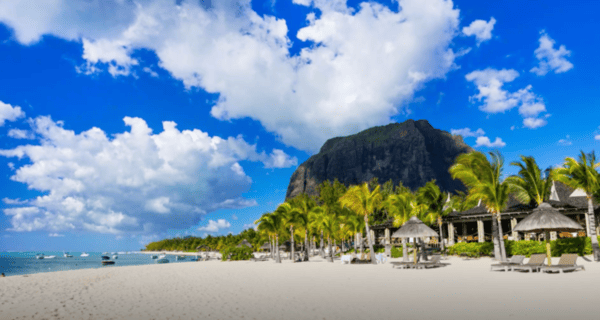
What David Discovered About Mauritius
After reviewing multiple issues of the SMART Island Report and speaking with advisors featured on MauritiusWealth.mu, David saw how Mauritius could offer everything he needed, all in one place.
Mauritius is not only close—it's built to work with Africa, with world-class financial services, excellent governance, and a reputation that satisfies banks, auditors, and regulators globally.
Here's what stood out:
1. Mauritius Offers Real, Renewable Residency
David quickly realized he didn't need to go through endless red tape to gain a legal offshore base. All he had to do was purchase a property worth USD $375,000, and he'd qualify for a 10-year renewable residence permit for himself and his entire family.
There were no minimum stay requirements, no complicated interviews, and no requirement to abandon his Kenyan citizenship. And unlike Dubai or Switzerland, the rules were straightforward and written in plain English.
For David, it wasn't just a Plan B—it was peace of mind with a legal address, a clean offshore base, and the ability to fly in whenever needed.
2. Mauritius Has Legal Certainty and Global Respect
Kenya's tax rules have become more aggressive, with more offshore transfers flagged and even domestic trusts now under heavier scrutiny.
Mauritius, on the other hand, offers a hybrid legal system based on British Common Law and French Civil Code, providing both structure and flexibility. Its courts are independent. The country ranks high on governance, and it's seen globally as a well-regulated, white-listed jurisdiction.
There are no capital gains taxes, no inheritance taxes, and no exchange controls—giving David full flexibility with his capital and investments.

3. Low Taxes and a Legal Offshore Structure That Works
David's financial advisor told him Mauritius had everything he needed to build a global investment or holding company legally.
He registered a Global Business Company (GBC), which provided access to:
- A corporate tax rate as low as 3% with tax credits
- A double taxation agreement (DTA) with Kenya, reducing withholding tax issues
- Full access to international banks, funds, and custodians without the stigma of “offshore secrecy”
This wasn't a shell company. It was a substance-based, fully legal international business vehicle, ideal for investments, property holdings, or even regional expansion.
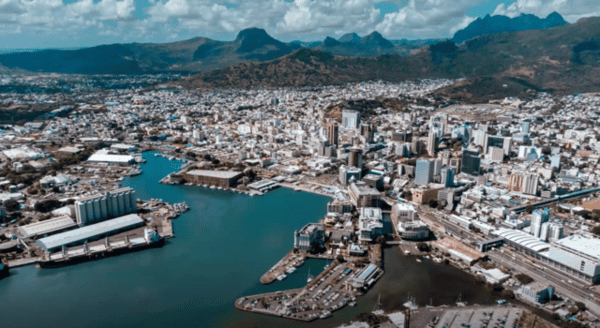
Visiting Mauritius to See for Himself
Before committing, David booked a VIP Residency and Investment Tour through MauritiusWealth.mu. He flew in from Nairobi and was met at the airport by an English-speaking liaison.
In just a few days, he visited luxury villas in Tamarin, modern offices in Ebène CyberCity, and met with local banks and attorneys. Everything was efficient, professional, and—unexpectedly—familiar.
The food, climate, and even the blend of African and international culture made Mauritius feel like a version of home—but cleaner, calmer, and safer.
At one point, David turned to his guide and said: “This feels like what Kenya could be, if we had fewer politics and more predictability.”

Six Months Later
Today, David holds Mauritian residency. His family spends school holidays at their villa by the sea. His offshore company is fully compliant, legally reducing his tax burden while expanding his global investment reach.
He still runs his Kenyan business, but now with the confidence that his family has a real escape plan, his wealth is protected offshore, and his investments are growing in a jurisdiction designed to work with African entrepreneurs—not against them.
And yes, every Sunday, he still reads the Mauritius Weekly SMART Island Report—not because he needs more convincing, but to keep building his global advantage.
Are you a Kenyan entrepreneur or investor looking to protect your wealth and plan for the future—without breaking any rules?
Then subscribe to the Mauritius Weekly SMART Island Report and discover why smart Kenyans like David are choosing Mauritius over Switzerland or Dubai.
Scott Oliver is a retired British writer and independent researcher living in Mauritius. A former Royal Marines Commando and former Wall Street investment professional, he has spent more than four decades living and working internationally across 14 countries. During that time, he worked extensively in international wealth management, cross-border asset protection, international business structuring and global residency planning.
Today, Scott's focus is no longer on managing money or providing professional advice. Instead, through MauritiusWealth.mu, he writes independent educational articles designed to help successful African business owners ask better questions, make better decisions and, when appropriate, identify the right expertise to help protect everything they have spent a lifetime building.
His articles are published solely for general educational and informational purposes and should not be regarded as legal, financial, tax, immigration, investment or other professional advice. Every business owner's circumstances are unique, and readers requiring professional assistance should always consult an appropriately qualified and licensed professional.