
Why More Wealthy Ghanaians Are Choosing Mauritius Over Switzerland or Dubai
The story of an Accra-based investor who found legal security, global access, and peace of mind in Mauritius.
Kwabena Asare wasn't the kind of man who rushed into offshore decisions.
He had built a strong property development company in Accra. His wife ran a thriving healthcare business. Their three children were being privately educated in the UK. For years, his financial advisors had told him to start diversifying abroad—but with so many unknowns, he kept postponing it.
Then came the shocks.
The Ghanaian cedi lost over 50% of its value in 18 months. Interest rates spiked. New capital movement restrictions were announced. And the Ghana Revenue Authority (GRA) began actively investigating offshore holdings and foreign income disclosures.
That's when Kwabena finally started looking at Switzerland and Dubai. But the more he looked, the more confusing it seemed—until he subscribed to the Mauritius Weekly SMART Island Report and found a completely different option.
The Offshore Headaches Wealthy Ghanaians Face
Kwabena's experience is now common among Ghana's high-net-worth individuals. You've worked hard, followed the rules, and built real success—but face growing local challenges:
- The cedi's instability threatens long-term purchasing power
- Local investment options are narrow and overexposed to government debt
- Getting USD out of Ghana legally is getting harder
- Offshore structures are under scrutiny, and foreign banks are reluctant to open accounts for Ghanaians
Ghana's elite are increasingly seeking legal offshore residency, business vehicles, and property ownership—but most of the traditional destinations fall short.
Why Switzerland and Dubai Disappointed
Kwabena's accountant explained the limitations clearly.
Switzerland offers prestige—but at a price. Residency typically requires CHF 1 million+ in tax payments per year and wealth over CHF 10 million. Banks require deep documentation and often take months to approve clients—especially from Africa.
Dubai, while attractive at first glance, doesn't offer permanence. Visas are short-term and tied to either company ownership or property. There is no path to permanent residency, no tax treaty with Ghana, and no privacy protection if you run into political or regulatory disputes.
In both jurisdictions, Ghanaian nationality can trigger delays or outright refusals, regardless of your reputation or portfolio.
What Kwabena Discovered About Mauritius
After reading a few issues of the SMART Island Report and consulting with professionals via MauritiusWealth.mu, Kwabena had a simple realization:
Mauritius was made for people like him.
It wasn't just close by—it had the legal structure, global respectability, and African-friendly reputation he needed. It worked within international rules, had OECD recognition, and yet still welcomed successful investors from across the continent.
Here's what made him act:
1. 10-Year Residency by Property—No Bureaucracy
Unlike Switzerland's elite-only entry or Dubai's temporary visa system, Mauritius offered something far simpler:
Buy a property worth USD $375,000, and receive a renewable 10-year residence permit for yourself and your entire family.
There was no requirement to live there full time. No hidden fees. No need to renounce his Ghanaian citizenship. It was clear, secure, and written in law.
Within weeks, Kwabena was approved—and his entire family had their documents in hand.
2. Legal Certainty and Global Credibility
Ghana's regulatory shifts had already caused stress. Kwabena wanted a place where the rules didn't change with the headlines.
Mauritius offered a hybrid legal system, combining British Common Law and French Civil Code. Its legal framework is stable, tested, and designed for foreign investors.
There are no capital gains taxes, no inheritance taxes, and no currency controls. You can repatriate funds freely and hold foreign bank accounts with full compliance.
And—critically—Mauritius is one of the few jurisdictions where Ghanaians are welcomed as investors, not seen as risk flags.
3. A Legal Offshore Business Vehicle That Works
Kwabena registered a Global Business Company (GBC)—a Mauritius-based international entity that gave him:
- Access to corporate tax rates as low as 3%
- A tax treaty with Ghana, reducing withholding and double taxation
- The ability to open global bank accounts in USD, EUR, or GBP
- A platform to expand into pan-African and European markets
No shell company. No grey areas. A fully legal, respectable investment vehicle—ideal for holding property, investments, and passive income streams outside Ghana.
Seeing Mauritius for Himself
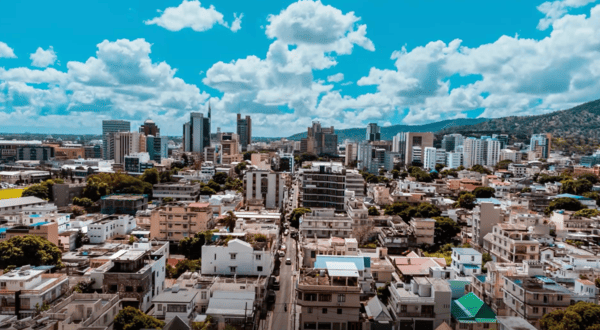
Wanting to be sure, Kwabena booked a VIP Residency and Property Tour through MauritiusWealth.mu. He and his wife arrived in Port Louis on a Monday morning.
What they found was stunning.
Clean roads. Friendly English-speaking professionals. World-class medical services. Private schools with British, French, and IB curricula. Real estate options in Tamarin and Grand Baie that felt like Cape Town—with better prices.
After three days on the island, his wife turned to him and said,
“Why didn't we do this sooner?”

Six Months Later
Kwabena now holds Mauritian residency. His family owns a beachfront villa with full title. His children visit during holidays. His offshore company is legally compliant. His wealth is protected.
More than that, he finally feels calm—not because he ran away from Ghana, but because he now has a secure, global base that allows him to keep building, investing, and planning from a position of strength.
And yes, every Sunday, he still reads the Mauritius Weekly SMART Island Report—not for reassurance, but for inspiration.
Are you a successful Ghanaian investor, entrepreneur, or business family looking for a safe, legal and respected home for your wealth?
Subscribe to the Mauritius Weekly SMART Island Report and learn why Mauritius is becoming the #1 offshore solution for Africa's smartest investors.
Scott Oliver is a retired British writer and independent researcher living in Mauritius. A former Royal Marines Commando and former Wall Street investment professional, he has spent more than four decades living and working internationally across 14 countries. During that time, he worked extensively in international wealth management, cross-border asset protection, international business structuring and global residency planning.
Today, Scott's focus is no longer on managing money or providing professional advice. Instead, through MauritiusWealth.mu, he writes independent educational articles designed to help successful African business owners ask better questions, make better decisions and, when appropriate, identify the right expertise to help protect everything they have spent a lifetime building.
His articles are published solely for general educational and informational purposes and should not be regarded as legal, financial, tax, immigration, investment or other professional advice. Every business owner's circumstances are unique, and readers requiring professional assistance should always consult an appropriately qualified and licensed professional.