
Why More Wealthy Nigerians Are Choosing Mauritius Over Switzerland or Dubai
A true story of a Lagos-based investor who discovered a better home for his family, his business, and his wealth.
When Kunle Adeyemi subscribed to the Mauritius Weekly SMART Island Report, he was searching for more than just news.
Like many successful entrepreneurs in Nigeria, Kunle had done well for himself. His logistics company served multinationals across West Africa. His children were studying abroad. He had multiple properties in Lagos and Abuja, and a solid investment portfolio.
But things were getting more difficult.
The Naira had plunged. Bank transfers were delayed or blocked. Getting dollars at official rates was nearly impossible. The rules kept changing, and Kunle felt like he was constantly trying to play a game where the goalposts moved every quarter.
He had already spoken to advisors about setting up offshore structures in Switzerland or Dubai. But the more he looked into it, the more it felt like a maze of uncertainty, complexity, and hidden costs.
Then came Mauritius. And everything changed.

The Harsh Reality of “Going Offshore” as a Nigerian
Kunle, like many wealthy Nigerians, wasn't looking to evade tax. He wanted stability, legal clarity, and a long-term base to protect his business and his family's future.
But that's not easy when you're Nigerian.
Switzerland now requires full financial disclosure, high residency costs (often CHF 1 million+ per year in tax agreements), and ever-tightening scrutiny from global regulators. Banks are reluctant to open accounts for Nigerians due to “compliance risk” concerns—even if your money is clean.
Dubai, though attractive with zero income tax, has its own downsides. Residency is only valid for a few years at a time, tied to property or business formation. There is no permanent residency, no tax treaty with Nigeria, and no real protection if your status is challenged.
Both jurisdictions also pose another problem: perception. Fair or not, many Nigerian investors face extra barriers when opening accounts or setting up companies abroad. “You're Nigerian?” often means more paperwork, more delays, and more headaches.
What Kunle Discovered About Mauritius
After reading several issues of the SMART Island Report, Kunle booked a consultation with one of the legal partners listed on MauritiusWealth.mu. What he heard surprised him.
Unlike Switzerland and Dubai, Mauritius actively welcomes African investors—especially from Nigeria. The government has built clear, legal pathways for residency, tax-efficient investment, and business incorporation, backed by a strong regulatory reputation and an African-friendly financial ecosystem.
Here's what convinced him:
1. Residency by Property—No Bureaucracy, No Games
To move to Switzerland, Kunle would've had to rent or buy expensive real estate and pay millions in taxes annually. Dubai's visas were temporary and conditional.
But in Mauritius, all he needed was to purchase a property worth USD $375,000. That's it. With that investment, he and his entire family would receive a renewable 10-year residence permit. No language tests. No minimum stay requirements. No hidden fees. And no need to give up his Nigerian passport.
Best of all, he could hold that residency without living there full-time, giving him a reliable Plan B without uprooting his whole life immediately.
2. A Reputation-Friendly, Legally Secure Offshore Hub
Kunle knew that many Nigerians get flagged when wiring money abroad. But Mauritius has a solid international reputation, is on the OECD “white list”, and maintains full compliance with global anti-money laundering and transparency standards.
That made it far easier for Kunle to open international bank accounts, establish a Mauritius-based Global Business Company (GBC), and manage investments through an offshore structure fully compliant with Nigerian regulations.
Mauritius also has no capital gains tax, no inheritance tax, and no exchange controls—a huge plus for investors who've suffered through Nigeria's shifting Central Bank policies and sudden bans.
3. A Smart Tax Strategy That Actually Works
Switzerland's wealth tax and Dubai's lack of tax treaties made things harder, not easier.
Mauritius, however, had exactly what Kunle needed:
- A personal income tax of just 15% (with exemptions for pension and overseas income).
- A tax treaty with Nigeria, reducing withholding tax burdens on dividends and royalties.
- A GBC structure that could legally reduce corporate tax to as low as 3%.
In short: he could move capital, earn income, and grow his wealth offshore—legally, simply, and efficiently.

Seeing Mauritius in Person
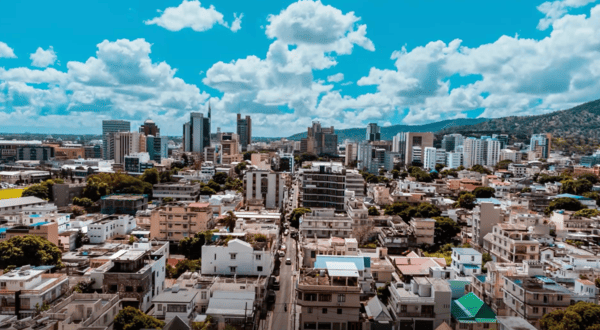
Within a few weeks, Kunle arranged a VIP Property and Residency Tour through the MauritiusWealth.mu concierge. When he arrived, he was surprised by what he found.
Clean streets. English-speaking professionals. Good roads. Low crime. Stable electricity.
He toured beachfront apartments, villas with solar power, and gated estates in Tamarin and Grand Baie. All priced below what he'd pay in Ikoyi or Victoria Island. He met with international tax advisors and was introduced to a local bank manager who actually welcomed his business.
One night, overlooking the Indian Ocean from a restaurant terrace, he called his wife and said: “This place is Africa—but it feels like Europe.”

Six Months Later
Kunle now holds Mauritian residency, owns a beautiful villa with full title, and manages his family investment company from a registered Mauritius GBC structure.
His wife and children can travel back and forth freely. His wealth is legally protected. His compliance is clean. And he finally has peace of mind—something money alone couldn't buy back in Lagos.
And yes, he still reads the Mauritius Weekly SMART Island Report—not because he needs convincing anymore, but because it keeps him ahead of the curve.
Are you a Nigerian entrepreneur, investor, or executive looking for a legal, powerful offshore solution?
Subscribe to the Mauritius Weekly SMART Island Report and learn how Mauritius is becoming the trusted offshore bridge between Africa and the world—especially for smart Nigerians like Kunle.
Scott Oliver is a retired British writer and independent researcher living in Mauritius. A former Royal Marines Commando and former Wall Street investment professional, he has spent more than four decades living and working internationally across 14 countries. During that time, he worked extensively in international wealth management, cross-border asset protection, international business structuring and global residency planning.
Today, Scott's focus is no longer on managing money or providing professional advice. Instead, through MauritiusWealth.mu, he writes independent educational articles designed to help successful African business owners ask better questions, make better decisions and, when appropriate, identify the right expertise to help protect everything they have spent a lifetime building.
His articles are published solely for general educational and informational purposes and should not be regarded as legal, financial, tax, immigration, investment or other professional advice. Every business owner's circumstances are unique, and readers requiring professional assistance should always consult an appropriately qualified and licensed professional.