
Why a Simple Beach Walk in Mauritius May Be One of the Healthiest Habits on Earth
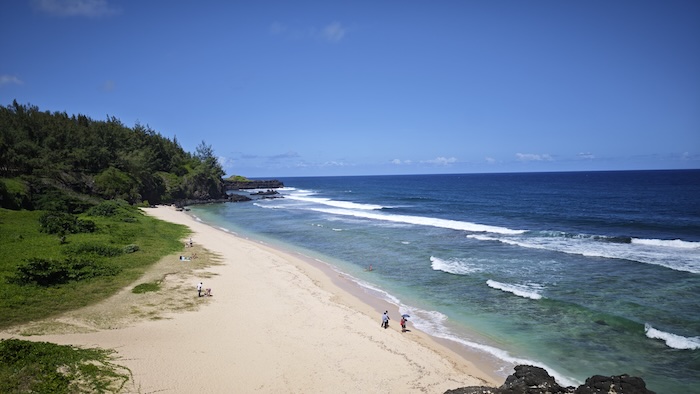
In Mauritius, a beach walk can look like a simple pleasure. Warm light, soft sand, gentle water, and a long horizon.
In reality, it is far more than that.
Regular walking on the beach affects the body, the feet and legs, the nervous system, mood, attention, sleep, and even the way many people experience calm, perspective, and gratitude.
It is one of the rare habits that combines movement, nature, light, rhythm, and reflection in a single act.
That matters because modern life pulls in the opposite direction.
Many people spend long hours sitting, wearing restrictive shoes, staring at screens, absorbing stress, and living indoors under artificial light.
A regular beach walk reverses much of that.
It gets the body moving naturally again, asks the feet and lower legs to do real work, exposes the eyes and skin to daylight, and gives the mind something it badly needs: open space, repetition, and relief from overload.
The Sand Changes The Workout Immediately
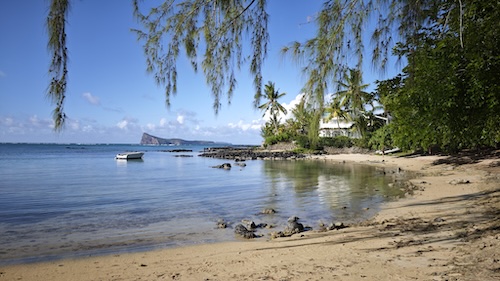
Walking on sand is not the same as walking on pavement, a road, or a treadmill.
Sand shifts under every step.
That instability forces the body to recruit more stabilizing muscles in the feet, ankles, calves, and lower legs.
Older biomechanics research found that walking on sand can require roughly two to three times more energy than walking on a hard surface at the same speed.
That is a striking number. It explains why even a short beach walk can feel more demanding than a longer walk on firm ground.
The feet are where much of this begins.
On a flat hard surface the foot lands and pushes off in a predictable way.
On sand the foot must adapt constantly. The toes grip more, the arch works differently, the ankle stabilizes, and the calf complex contributes more to propulsion.
Over time this can help improve foot strength, ankle control, balance, and lower leg conditioning.
Your Legs Work Harder But The Movement Often Feels Kinder
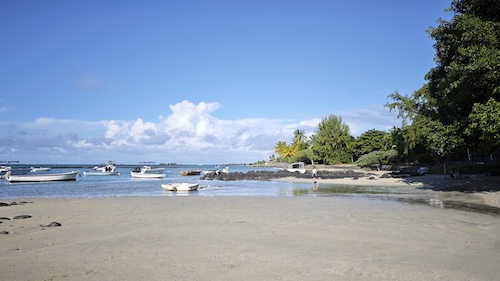
Soft sand creates natural resistance.
Each step sinks slightly, so the body must push harder to move forward.
The calves, quadriceps, hamstrings, and glutes all work more intensely than during normal walking.
Without noticing it, many people are doing a natural resistance workout.
Because the pace is gentle, most people can sustain it longer than many gym exercises.
A forty five minute beach walk can burn significantly more calories than a standard city walk of the same distance.
At the same time sand is softer than concrete.
This can reduce some impact forces compared with hard ground, although the softer surface also challenges muscles and connective tissues more.
The body likes challenge. It does not like overload.
Wet Sand And Dry Sand Do Not Do The Same Thing
Dry loose sand is the harder option. It demands more energy and more control.
Firm wet sand near the shoreline is usually easier. It gives a more stable surface while still allowing the foot to move more naturally.
Many people instinctively choose wet sand for longer walks and dry sand for shorter, more demanding effort.
There is also a practical detail.
Many beaches slope slightly toward the water.
If a person always walks in one direction along a sloping beach, one leg can spend long periods lower than the other.
Over time that can irritate the hips, knees, or lower back.
The simple solution is to vary direction and occasionally change sides of the beach.
The Nervous System Begins To Settle
The physical story is only half of it.
The beach also affects the brain.
Natural environments are consistently linked with better psychological restoration, lower stress, and improved wellbeing.
The sound of waves is rhythmic and predictable.
It lacks the sharp interruptions created by traffic, alarms, and digital notifications.
Research on nature exposure shows that environments like oceans and lakes often encourage calmer brain states associated with relaxed attention.
Breathing slows. Muscle tension drops. Mental pressure begins to soften.
Some psychologists refer to this state as “blue mind,” a calm mental condition produced by proximity to water.
Why People Often Think More Clearly By The Sea
The brain becomes fatigued from constant decision making and digital stimulation.
Natural environments give the attention system a break.
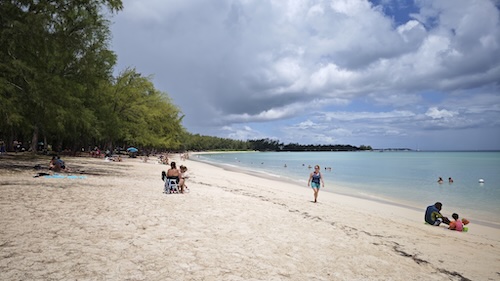
The horizon of the ocean requires almost no effort to process.
As mental pressure drops, creative thinking and perspective often return.
Many writers, philosophers, and entrepreneurs have long noticed that their best thinking often occurs while walking.
Add the ocean, and that effect often becomes stronger.
Morning Beach Walks Can Improve Sleep Later That Night
Natural daylight is one of the strongest regulators of the human circadian rhythm.
Morning sunlight signals to the brain that the day has begun.
This helps anchor the sleep wake cycle and often leads to better sleep later at night.
Sunlight also stimulates vitamin D production, which supports bone health, muscle function, and immune activity.
Moderate exposure to daylight, especially early in the day, remains one of the most powerful natural inputs for human physiology.
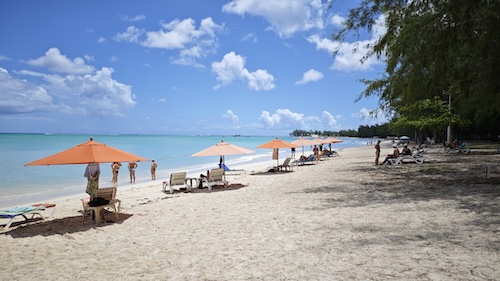
The Emotional Effect Is Real
Ask people how they feel after walking regularly on the beach and many give similar answers.
They feel lighter. Less rushed. Less tense.
They breathe more deeply.
They feel less trapped in their problems.
Science explains part of this through stress reduction, daylight exposure, and movement.
Yet the experience often feels larger than any single mechanism.
For The Feet Going Barefoot Changes The Conversation Again
Walking barefoot on suitable sand allows the foot to move more naturally.
The sole of the foot contains thousands of nerve endings that provide information about balance and pressure.
When shoes are removed this sensory feedback increases.
Many people experience improved awareness of their walking mechanics and a stronger sense of connection with the ground beneath them.
Some researchers also study “grounding,” the idea that direct contact with the earth may influence stress, inflammation, and sleep.
The research is still developing, but many people report feeling calmer and more relaxed when walking barefoot on natural surfaces.
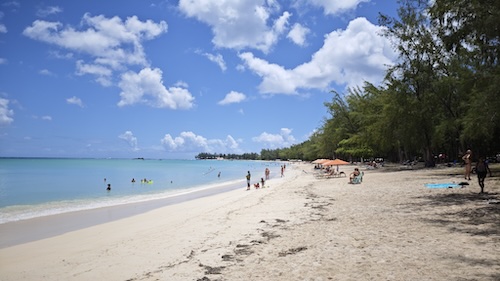
The Spiritual Effect Often Comes From Perspective
The horizon is bigger than the mind's daily worries.
The waves continue whether we are stressed or calm.
The body moves slowly and rhythmically.
Problems often shrink to their proper size.
Many people describe this experience as peace, reflection, or gratitude.
In Mauritius the environment makes this kind of reflection easy.
The Mauritius Advantage
Mauritius offers conditions that make beach walking unusually accessible.
The climate is warm year round.
The island offers long stretches of walkable shoreline.
The sand is soft and the lagoons are calm.
Places such as Belle Mare, Le Morne, Flic en Flac, and Mont Choisy provide ideal settings for safe and secure regular walks.
Sunrise walks on the east coast and sunset walks on the west coast create completely different experiences.
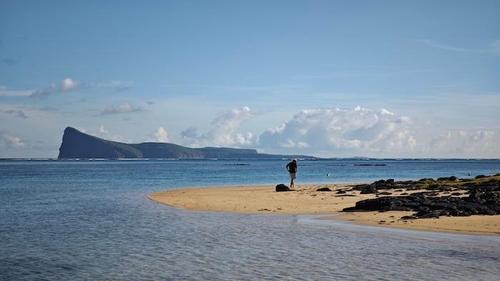
Bottom Line
Walking regularly on the beaches of Mauritius is far more than a pleasant pastime.
Physically it strengthens the feet and lower legs while increasing energy expenditure.
Mentally it reduces stress and restores attention.
Emotionally it often leaves people calmer and clearer.
Spiritually it offers something modern life rarely provides: space, rhythm, perspective, and quiet.
For such a simple habit, the return can be remarkable.
Scott Oliver is a retired British writer and independent researcher living in Mauritius. A former Royal Marines Commando and former Wall Street investment professional, he has spent more than four decades living and working internationally across 14 countries. During that time, he worked extensively in international wealth management, cross-border asset protection, international business structuring and global residency planning.
Today, Scott's focus is no longer on managing money or providing professional advice. Instead, through MauritiusWealth.mu, he writes independent educational articles designed to help successful African business owners ask better questions, make better decisions and, when appropriate, identify the right expertise to help protect everything they have spent a lifetime building.
His articles are published solely for general educational and informational purposes and should not be regarded as legal, financial, tax, immigration, investment or other professional advice. Every business owner's circumstances are unique, and readers requiring professional assistance should always consult an appropriately qualified and licensed professional.
Trusted Expert Resources
Journal of Experimental Biology, Mechanics and energetics of human locomotion on sand.
Journal of Experimental Biology, Human walking biomechanics on sand substrates.
National Institutes of Health, Green and blue space and mental health.
Systematic Review, Blue space interventions for health and wellbeing.
NIH Research, Benefits of sunlight for human health.
Review of research evidence on grounding and earthing.